Tag: christianity

  • Is Christ Divided—Finding Wholeness in a Fractured World

    Is Christ Divided—Finding Wholeness in a Fractured World

    Mountain sunrise with mist-filled valleys and layered ridges; overlaid with the question “Is Christ Divided?” in purple cursive.
    Mist over mountains, a dawn of truth: “Is Christ Divided?”

    Dear Readers.

    I pray this message finds you in peace and strength. By the Holy Spirit, I seek to minister clarity, understanding, and rest to your heart. As you read “Is Christ Divided: Finding Wholeness in a Fractured World,” my hope is not only to answer questions but also to invite you to pause, reflect, and consider the truth revealed. “The Spirit has stirred me to revisit and reshape this post, so it speaks now with fresh light and deeper resonance.”

    In the Name of Jesus Christ—Amen.

    Christ Divided: A Call for Unity

    “I ask boldly: ‘Is Christ divided?’” I am not questioning His wholeness but rather pointing to the divisions we see among people. Missionaries, denominations, and groups often present the gospel through their own lens. Yet Christ Himself is not fractured—He is one Lord, one faith, one baptism. The divisions belong to us, not to Him.

    The Body of Christ

    Christ forms His body through believers, not through buildings or institutions. “It is the believers and followers of Christ, joined together by His Spirit. It can be a group of five, or even just two or three. For Christ Himself said,

    "Where two or three are gathered together in My name, there am I in the midst of them." Matthew 18:20 http://www,biblehub.com

    Christ’s presence fills every gathering—not by size or place, but by hearts surrendered to Him.


    Paul, when he went to the Corinthians. Ran into followers who said they were of different men who baptized them. We see this very division in our culture today. With so many different denominations, it's no wonder many say, " No, I am not into your religion," when we ought to come together all under one Name. That name is Jesus Christ.

    Division Then and Now

    Paul, when he went to the Corinthians, encountered believers who claimed allegiance to different men—those who baptized them. That same spirit of division echoes in our culture today. With so many denominations and labels, it’s no wonder people say, “No, I’m not into your religion.” Yet the call is not to rally under human names, but to gather under one Name: Jesus Christ.

    The Piercing Question

    In 1 Corinthians 1, Paul confronts a spiritual fracture that still infects the Church. He doesn’t whisper—he demands: “Is Christ divided?” It is a piercing question, not only for the Corinthians but for us. The division Paul saw then is the division we perpetuate now. It’s not confined to our churches; it lives in our hearts. We claim Christ, yet split Him with our allegiances. We echo His name, yet divide His body with our pride.

    The question still burns: Is Christ divided in our own lives? And if so, who are we truly following?

    “One says, ‘I follow Paul’; another, ‘I follow Apollos’; another, ‘I follow Cepheus.’” And then he asks the piercing question: “Is Christ divided?”

    That question wasn’t just for the early Church. It’s for us now. It asks us to consider the idea of Christ divided in modern faith expressions. Throughout history, many have grappled with the notion of Christ divided.

    Today, many proclaim: “I am of Protestant, a Baptist, a Catholic, a Mormon or a Jehovah’s Witness.” And so on, and so forth, which often leads to Christ appearing divided among us.

    We, through pride and tradition, have fractured the body of Christ. We’ve built walls where He came to tear them down. We’ve claimed allegiance to systems, not the Savior, turning the notion of Christ divided into a reality.

    So Paul’s question remains—unchanged, unsoftened, and still burning:

    Is Christ divided?

    The Question Still Burns

    Paul’s piercing words weren’t only for the Corinthians. They echo across centuries, confronting us now. Is Christ divided? This isn’t a relic of the past—it’s a living question that demands we examine our own faith, our allegiances, and our hearts.

    Many will read this and start to question—not others, but themselves. For far too long, we all stood divided.

    As for me—I am of Christ Jesus. And though my life does not always show this perfectly, my heart does. It’s a daily surrender. A quiet laying down of ambition, intellect, and self. A choice to let God move through me, not just around me.

    We live in a time where pastors stand at pulpits preaching the Word. But instead of taking what we hear back to Christ, we take their words as if they are God’s truth.

    We forget to test the spirit. We forget to seek His voice above all others. In doing this, we risk aligning with man instead of the Messiah. Whether we believe it or not, we divide Christ.

    Many don’t believe in God or Jesus—not because He isn’t real, but because they haven’t seen Him.

    Allegiance

    Our allegiance was never meant to be to denominations, traditions, or personalities. It was meant to be to Christ alone. Yet through pride and systems, we’ve fractured His body. We’ve built walls where He came to tear them down.

    And yet, His presence is clear—in creation, in conviction, in the quiet ache for something eternal. But we’ve clouded that evidence. We’ve become more concerned with conversions to religious practices than with showing the world who God is—through us.

    We preach systems, defend denominations, invite people to church, but not always to Christ. And so they don’t see Him. Not because He’s absent, but because we’ve hidden Him behind our traditions, our divisions, and our misplaced allegiances.

    True allegiance is not to a name on a church sign, but to the Name above all names—Jesus Christ.

    Silhouette of a cross against a glowing sky with birds in flight and tall grass in the foreground. Text overlay reads: “We’re Divided. Christ isn’t! Where Is Your Allegiance? Denomination or Christ?”
    We divide ourselves with denominations and traditions, but Christ remains whole. Where is your allegiance—systems or the Savior?

    Christ Steps Into The Divide

    Jesus doesn’t stand at the edge of the divide to condemn. He steps into it, bridging the perceived crisis of a Christ Divided.

    He mends the broken—not when we claim Him, but when we follow Him.

    Jesus the Bridge

    Between Malachi and Matthew, there were centuries of silence. No prophets, no fresh word from God—just waiting. The people longed for His voice, for His presence, for the promised Messiah.

    And then, in the fullness of time, Jesus was born. The Savior long foretold stepped into history, bridging the silence with His very life. He was the Word made flesh (John 1:14), the fulfillment of prophecy, the bridge between God and man.

    Where there was distance,

    He drew near.

    Where there was silence, He spoke. Where there was separation, He became the connection.

    Healing What We’ve Torn Apart

    And because He is the Bridge, He does not only span the silence-He heals the fracture. When we truly recognize with Christ, He begins to heal what we’ve torn apart. Not by erasing difference, but by restoring connection, challenging the perception of a divided Christ.

    Confusion In Religion vs Relationship

    Over the course of my life, I’ve learned something. People often turn away from hearing about God. They say it looks as though we have Christ divided among our beliefs.

    “I don’t believe in your religion.”

    And that tells me something deeper— We’ve confused many who don’t believe. They want to believe. We confuse them by infusing our religious beliefs instead of sharing our relationship with Jesus.

    Added Words and Traditions

    If we truly follow Him, our lives will show Him. Not just in words, but in witness.

    Every night when I return home from work, I see missionaries of the Mormon belief walking door to door. They share what they call the good news.

    They’ve stopped by my house many times. And while I already know the good news, I just happen to know it deeper than they do. https://truth-unveiled.org/2025/07/13/the-art-of-connection/

    They are sharing an added word. And the Bible clearly states:

    “Do not add to His words, or He will rebuke you and prove you a liar.” — Proverbs 30:6 God will add to him the plagues described in this book. This will happen if anyone adds anything to them. — Revelation 22:18

    We see this happening. It occurs not only with the Mormons, but also with the Catholics. Many other systems elevate tradition above truth, leading to Christ appearing divided.

    Clarity, Not Condemnation

    This isn’t about condemnation. It’s about clarity, about returning to the pure gospel of Jesus Christ— unfiltered, unadded, unbroken.

    It’s when we stop meshing religion with relationship that we start to see clearly.

    Fruit That Reveals Christ

    I don’t need a denomination to be in relationship with Jesus. I need a community that stands with Christ in all their ways— whose lives show Him.

    As it is written:

    “You will know them by their fruit.” — Matthew 7:16

    The Great Divide

    The greatest deception is the greatest divide. But Jesus is not divided. He is the bridge, the mender, and the unity we’ve been searching for, dispelling the myth of Christ Divided.

    Beyond Labels

    Even non-denominational movements can confuse many. They claim freedom from tradition. Yet, they often still carry the weight of man-made expectations. Celebrity pastors and performance-driven culture add to this burden. This often leads to a sense of Christ divided.

    It’s not the absence of a label that brings clarity— it’s the presence of Christ.

    Focus on the One Who Mends

    Whether denominational or not, if the focus shifts from Jesus to structure, we lose sight of the One who mends. If the focus shifts from surrender to strategy, we lose sight of the One who mends. This perpetuates the idea of Christ being Divided.

    Christ Our Peace

    For a deeper reflection on how Christ removes barriers, I recommend reading From Separation to Unity in Christ. It offers insights into restoring unity. It walks through Ephesians 2 and affirms that Jesus is our peace—the One who mends what we’ve broken. http://www.almoachurch.org

    We are to be united under Christ Jesus, not divided by denominations

    Closing Benediction

    My Dearest Reader.

    As I often remind my daughters, it is not our words that draw others to Christ—it is when we live His Word in faith.

    It is not about telling people who Jesus is; it is about showing them through the witness of your life.

    Others see Him not through denomination or doctrine, but through the fruit of a surrendered heart.

    So let your life preach louder than your label. Let your love reveal the One you follow. For Christ is not divided—and neither should we be.

    I pray this reflection has stirred your spirit and given you space to consider your walk with Jesus.

    In the Name of Jesus Christ—Amen.
  • Unexpected Revelations: A Week of Self-Reflection

    Unexpected Revelations: A Week of Self-Reflection

    The Week That Revealed Unexpected Revelations

    This week, the Lord confronted me. Not by people, but by patterns. Not by noise, but by silence. In the context of self-reflection, this journey has been marked not by chaos, but by clarity. This all became clear in the first paragraph of my reflections.

    I stay in my own lane most days. I’m quiet by nature, fun and outgoing with those I know. People often tell me that my facial expressions say, “Don’t you dare approach.” That’s never my intent. Still, it made me pause.

    We’re called to evaluate ourselves daily. And when we do, we begin to see things within us that need changing.

    This isn’t easy. It’s not something that can be taught in the secular world. The Holy Spirit teaches it when we’re open to it.

    I’ve always done this. self-reflection, guided by the Spirit of Truth.

    He doesn’t just show me what’s wrong. He reveals what’s wounded. He doesn’t just convict. He comforts.

    And this week, He revealed more than I expected.

    The Call That Tried to Tether Me

    When silence turns into obedience

    This week, my ex called me out of the blue—“by accident,” he said. I kept the conversation light and distant. Shared a little about what I’ve been up to, but nothing deep.

    Then came the shift. Just a few measly words— but they told me everything.

    When you’ve spent years with someone, you learn their quirks. Their patterns. Their tells.

    My ex is no mystery. He’s been exposed. Heck, my kids saw it long before I did.

    He’ll say one thing— then flip the entire conversation on its head with the next. It’s subtle. But it’s strategic.

    I don’t speak out of pocket. I don’t put my foot in my mouth. But he does—often. And when he does, it’s not just awkward. It’s revealing.

    Friday morning, I got to work in a great mood. It was Friday—my weekend just 8.5 hours away. My whole crew was excited. We took off on our routes.

    I drove in silence. Listening to Romans chapter 1. When the chapter ended, I turned off the audio. didn’t need more words. needed presence.

    So I drove in silence, talking with God. listened to the rubber on the road and watched the other drivers. I carried on a conversation with Him as though He were sitting right beside me.

    I finished my first route, returned to my main store, loaded up for the second.

    silent. listening. leaning in to hear His still small voice.

    Then I looked at my phone. A text.

    It was from my ex.

    He wrote:

    “I’ve got one question for you. What can I say every day that will bring a smile to your face?”

    I stayed quiet.

    I read the text. And immediately, I brought it to God.

    Father God, why is he texting me? Why would I want to tell him what to say? Isn’t he grown? Shouldn’t he know what to say? Father, these emotions—this animosity—it’s rising up inside me like a storm in the sea. I repent of these emotions, Father. I don’t want to feel anything in this moment. I’m spending time with You. He’s disrupting this silence. He’s trying to destroy my peace and my Zen with You.

    And the Lord spoke:

    “Why does he have such power over your emotions, daughter? Is it not I whom you seek? Is he not My son too? Why then give him power over your emotions?”

    “Daughter, I love you. But there comes a point where even you must hold yourself accountable for the way you feel. Stop putting it on him. He doesn’t have power over you except what you give him. *

    Do not respond to this text. I know your heart. I know your intentions. Listen to Me, and don’t let this bother you. I’ll take care of him.”

    How could I argue with God?

    I repented— for the emotions rising up inside me like a storm in the sea. And I remembered: I have authority over these emotions through Jesus Christ.

    So I invoked that authority. And Jesus spoke:

    “Be still.”

    And the storm subsided.

    Remained silent. wasn’t going to respond. I didn’t give it any more attention. Just went about my business— and continued my conversation with God.

    Later, he followed up:

    “Oh, I must have said something confusing. I’ll be quite [quiet] and leave you alone.”

    This is his pattern. Manipulative communication—mastered flawlessly. I try very hard not to be judgmental toward him. So each time he comes to mind, I give it to God. Because there’s nothing I can do. Talking to him only makes things worse.

    But what made it even harder for me was that I ignored a direct question from someone. That’s a pet peeve of mine. It feels rude to ignore someone who’s speaking directly to you. Then the Spirit reminded me. “Even a fool, when he holdeth his peace, is counted wise.” Moreover, “he that shutteth his lips is esteemed a man of understanding.”Proverbs 17:28 https://www.biblegateway.com

    I struggled with that for a moment longer. But I am no fool. But I wasn’t going to be double minded in this situation. I made my choice. I chose a life with God.

    I’ve known this man for 18 years. And for 17 of those years, he was married to another woman. I never knew.

    He shattered my world. Still, I forgave him. The past is the past. The current is now. And the future is always brighter.

    I extended grace and mercy—because I’m commanded to. But God revealed something deeper:

    Grace doesn’t require access. Mercy doesn’t mean proximity. Forgiveness doesn’t demand conversation

    I do not have to have this man in my life for any reason.

    Exchanging texts keeps me tethered—just as he desires. And yes, a financial contract binds us. This agreement was made back when we were together, long before I knew the secret he had been hiding.

    He helped me get my car fixed. I agreed to help pay on it. But for a long while, I was making all the payments—without a word from him.

    Then came the threat. He threatened me with a lawsuit while I was on medical leave from work. I was recovering from what was believed to be a heart attack. (Later, I learned it was something else altogether.)

    I chose to approach him with a new plan— one that worked for both of us. Because I said I would help pay on it. And helping doesn’t mean paying it completely by myself.

    He agreed. And now we both pay our portions.

    We honor our word. We walk in integrity.

    But he uses that contract to keep me close. He’s threatened lawsuits. He’s gone silent, only to blow up my phone with incoherent texts.

    I give it all to God. He now sits in the palms of God’s hands. What happens next is on him.

    I am responsible for my words. My actions. My integrity. Not his.

    And God said something simple, something freeing:

    “The best answer in this situation is no answer.”

    Not out of bitterness. But out of obedience. Out of peace. Out of release.

    “Do not answer a fool according to his folly, or you will be like him yourself.” — Proverbs 26:4 https://www.biblegateway.com
     “Let your ‘Yes’ be ‘Yes,’ and your ‘No,’ ‘No’; anything more comes from the evil one.” — Matthew 5:37 https://truth-unveiled.org/2025/07/13/spiritual-authority-over-thoughts-leads-to-surrender/

    To love someone is sometimes to let them go. You must allow them to be as they are. Entrust them to God.

    Just as I settled back into peace, another moment of disruption came— not through a call, but through a question.

    I saw a post titled: “Are You Truly Saved?”

    It referenced Hebrews 10:26–27:

    “If we sin willfully after receiving the knowledge of the truth, there remains no more sacrifice for sins…”

    That post stopped me. It stirred me. It made me ask: “Am I truly saved?”

    Let’s be honest here sin is sin regardless of the nature of it. I have come a long way from the life I once lived. I have deeply embedded sin— a daily battle with nicotine. It’s a struggle. I wonder to myself if I am really saved from time to time. I consider that smoking, as I know it, is a sin. It’s an open rebellion against God. And So I’ve surrendered it to God again and again.

    And I’ll be honest— that post ticked me off. Not in rebellion, but in righteous frustration. So, I paused and asked God. Father, this post suggests that I am not saved, considering I’m vaping nicotine. This post feels like someone took a huge stone and threw it at me. What do I do here Father?

    It felt like a stumbling block, it felt as though someone ripped the rug out of from underneath me. Standing over me with their finger in my face asking “Are you Truly Saved?”

    So I sought counsel from God. And here’s what He showed me:

    Fornication. Adulterous acts. Promiscuous lifestyles. Violence. Drugs. Drinking. Abuse. Profanity.

    These are sins against God.

    Sex outside of marriage is a sin against ourselves.

    learned the truth. You accept Him and are baptized. You say, “I believe,” but you still continue to live in these ways. Then, there remains no more sacrifice for you.

    But deeply embedded habits—like my battle with nicotine— these are fought daily, surrendered daily, and covered by grace.

    But more than this, God—through Jesus Christ, by the Holy Spirit—spoke to me:

    “Remember Paul? How he constantly prayed to have the thorn removed from his side?” “Three times I pleaded with the Lord to take it away from me. But He said to me, ‘My grace is sufficient for you, for My power is made perfect in weakness.’”2 Corinthians 12:8–9

    I said, “Yes.”

    And God said:

    *“Deeply embedded sins are thorns in your side. Some can overcome. Others struggle.

    But you— you’re always talking to Me. You’re working hard to be obedient. You’re following Jesus.

    So tell Me— what makes you think any man’s interpretation has the power to take your salvation from you?”*

    God’s grace is sufficient for me.

    The problem is, people read a verse— but not the verses before and after. They take it out of context. They lean too much on their own understanding.

    But the Word says:

    “Trust in the Lord with all your heart. Do not rely solely on your own understanding. In all your ways, acknowledge Him. He will direct your path.”Proverbs 3:5–6

    That means all your ways— the good, the bad, the hidden, the habitual. Acknowledge Him in all of it.

    Jesus said:

    “Many will say to Me, ‘Lord, Lord.’ They will not enter the kingdom of heaven. Only those who do the will of My Father will enter.”

    This isn’t just about believing in Jesus. It’s about following Him.

  • Armor of God: Strength for Daily Struggles

    Armor of God: Strength for Daily Struggles

    Stand Warriors and Fight the Battle that endures in the mind. The battle that’s unseen is the battle within the mind. Remember, we do not war against one another.

    Put on the Armor Of God
    We are in a battle we know not that we’re in. We face it daily,

    Every day, whether we notice it or not, we’re engaged in an inner war. It’s a constant struggle between hope and despair, peace and anxiety, love and anger, faith and doubt. At times, we come out ahead. On other days, we feel overwhelmed and defeated. More often than not, it seems we lack control over our thoughts and emotions. These feelings surge and subside, shaping how we see ourselves and others. In light of this, we need strength for the battle—and the Armor of God is our provision.

    2 Corinthians 10:5 “We take captive every thought to make it obedient to Christ.” https://www.biblegateway.com

    This war isn’t against other people or circumstances—it’s within us, fought on the shifting ground of our hearts and minds. It’s the battle against negative thoughts, jealousy, anger, and the countless worries that creep in when the world is quiet. Romans 7:23 “I see another law at work in me. It wages war against the law of my mind.” https://www.biblegateway.com It’s a war described in ancient words. These words say, “not against flesh and blood, but against principalities, against powers, against the rulers of darkness…” (Ephesians 6:12). But these words aren’t just for the distant past; they live in the struggles we face today.

    It often starts with the small moments. These include waking up before the sun. It’s feeling the weight of a new day pressing in. Sometimes the first thing I feel is heaviness, sometimes it’s hope. Before my feet hit the floor, I try to pause and thank God for breath, for another sunrise. There are no guarantees in life. Even this simple act grounds me. It reminds me that each day is a new chance to grow. https://truth-unveiled.org/2025/07/13/spiritual-authority-over-thoughts-leads-to-surrender/

    My mornings are routine—bathroom, coffee, a few moments with my Bible, and quiet reflection. It’s in these quiet moments, when my mind wanders, that the battle can turn. If I don’t invite God into my thoughts right then, my imagination can get carried away with worry or negativity. I see it in those I love too—anxiety can creep in, leading to sadness or anger. It’s easy to lose hope, to forget that we have a choice in how we respond.

    The battle isn't against flesh and blood
    The battle of the mind is a real battle

    So, how do we fight a battle that no one else can see? I believe it begins with awareness. Noticing our thoughts, asking where they come from, and gently letting go of those that do us harm. It’s not glamorous or easy, but it’s powerful. For me, faith isn’t just something I practice on Sundays or in public. It’s real in these quiet moments. I remember that I’m not alone in the fight.

    The Bible talks about “putting on the whole armor of God.” This is not an abstract idea. It is real protection for our daily battles. Each piece of this spiritual armor has a purpose and a promise, tailored for the struggles we face within. Ephesians 6:12-16

    The Helmet of Salvation reminds us of who we are and that we have hope. Just as a helmet protects a soldier’s head, this piece safeguards our minds from doubt and despair. It offers assurance that our identity and future are secure, no matter how fierce the conflict. It helps us remember, even in confusion, that we belong and are valued.

    The Breastplate of Righteousness guards our hearts, helping us choose kindness and patience over anger or jealousy. Like a physical breastplate shields vital organs, this piece protects the core of who we are. It safeguards our values, emotions, and desires from bitterness and resentment. It covers us with the understanding that we are made right, not by our own efforts. We are made right by grace. We’re called to reflect that righteousness to those around us.

    The Belt of Truth keeps us honest—with ourselves and others. In ancient armor, the belt held everything together, providing stability and readiness. In our lives, truth grounds us, guides our decisions, and frees us from the distortions of fear or falsehood. It’s given so we can stand firm, even when circumstances try to shake us.

    The Boots of Peace steady us, allowing us to walk calmly through the chaos of life. Shoes make us ready for the journey, no matter how rough the terrain. The peace given by faith plants us on solid ground. It equips us to bring calm into turbulent situations. We can step forward with confidence, no matter what we face.

    The Shield of Faith helps deflect the arrows of doubt and negativity. In battle, a shield intercepts attacks meant to wound or discourage. Faith is given to us for a reason. Even when criticism or fear flies our way, we can trust in something greater than ourselves. God’s promises and presence shield our hearts from harm.

    Lastly, the Sword of the Spirit—God’s word—lets us stand up for what’s good and true. Unlike the other pieces, the sword is both defensive and offensive. It empowers us not only to resist negativity but to actively pursue hope. It also drives us toward justice and love. It’s given as a tool. It acts as a source of wisdom and strength. This helps to cut through confusion and guides us in each moment.

    So much of how the day unfolds is shaped in those first waking moments. What we choose to do right after our eyes open sets the tone. It’s like a compass pointing us toward hope or toward heaviness. The truth is, we don’t get to choose what thoughts pop into our minds as the sun rises. We also don’t choose what thoughts appear as the day stretches on. Thoughts arrive on their own, sometimes gentle, sometimes fierce, sometimes utterly bewildering. But here’s where our power lies: we can’t control every thought, but we can decide what to do with them. We can decide to accept them. We might choose to challenge them. Or we can let them pass by like clouds shifting across the morning sky. Our greatest control is in agreement or disagreement, in deciding which thoughts we’ll nurture and which we’ll release.

    Philippians 4:8 — “Whatever is true. Whatever is noble. Whatever is right. Whatever is pure. Whatever is lovely. Whatever is admirable. If anything is excellent or praiseworthy, think about such things.”

    The battle for our minds doesn’t just happen once, and it isn’t contained to the stillness of the morning. It’s ongoing, woven into the ordinary rhythms of life. When I step into my home—my supposed place of safety—the battle continues in smaller, quieter ways. The questions start to hum: “What’s for dinner tonight? How should I do my hair for work? Is there enough for lunch? Do we need milk, bread, or a new lightbulb?” These tiny decisions can spark anxiety or frustration, threatening to unravel peace over the most trivial things. Sometimes, the kitchen counter becomes my battleground. The to-do list on the fridge feels like an army lined up against me.

    “If that is how God clothes the grass of the field… will he not much more clothe you? You of little faith? So do not worry, saying, ‘What shall we eat?’ or ‘What shall we drink?’ or ‘What shall we wear?’… But seek first his kingdom and his righteousness, and all these things will be given to you as well. Therefore do not worry about tomorrow, for tomorrow will worry about itself. Each day has enough trouble of its own.” — Matthew 6:30–34 (NIV) https://www.biblegateway.com

    But the true battleground often lies beyond my front door. My home is my sanctuary, a place where I can ground myself and reset. But the world outside is full of noise, distractions, and despair. It’s a landscape where the battles are louder, the challenges sharper, and hope can feel distant.

    It’s in this world of distraction that I consciously choose to involve God. He’s the one who offers me the greatest peace, the solutions I may never have discovered on my own. I try to include God in everything—to the best of my ability—inviting Him into every decision and moment. Yet, I know I sometimes forget.

    When I leave Him out, the day unravels; I end up exhausted and emotional, running on empty. But when I remember to include God, I am strengthened, filled with joy, and my spirit lifts. The difference is noticeable. Heaviness gives way to hope. Burdens become lighter. I find myself in the best of moods.

    Proverbs 3:5–6 — “Trust in the Lord with all your heart. Lean not on your own understanding. In all your ways submit to him, and he will make your paths straight.”

    Day by day, moment by moment, the fight is real. Each step invites a choice: will we walk in faith or drift in fear? Gratitude, surrender, and intentional action become our compass— even when our thoughts try to pull us elsewhere. But when I choose to involve God, the journey shifts. The path becomes brighter, the victories deeper, and the peace more lasting.

    Isaiah 30:21 — “Whether you turn to the right or to the left, you will hear a voice behind you. It will say, ‘This is the way; walk in it.’ ”https://www.biblegateway.com

    This armor isn’t just for ancient battles. It’s for our everyday lives. It is provided so we can stand strong in every inner war. We remain grounded in faith, hope, and love.

    For me, prayer isn’t a formal checklist or a wish list. It’s a conversation—a chance to admit that on my own, I’m lost. Sometimes I don’t have the right words, but that’s okay. It’s the act of reaching out, of being honest about my fears and dreams, that strengthens me.

    Each small, positive choice becomes another victory in this ongoing battle. These choices include thanking God, reaching out to someone in kindness, and pausing before I react. Some days, the shadows linger. Some days, hope shines brighter. But every day, I choose faith and gratitude. This choice turns the war within from something to fear into a journey of becoming whole.

    So if you wake up tomorrow and feel the heaviness, know you aren’t alone. The battle in your mind is real. So is the hope that you can win it. Take one small, honest, and hopeful step at a time.

    Yet through all of this, I am reminded that I do not walk alone. God is my greatest ally—“God is our refuge and strength, an ever present help in trouble. Psalms 46:1 steadfast and unfailing, available in every trial and triumph. Jesus is my greatest strength. “I can do all things through Christ who strengthens me Philippians 4:13 His love triumphs over every weakness. His sacrifice anchors me in grace when I feel unworthy or overcome. And the Holy Spirit is my greatest light. It illuminates the path ahead when confusion clouds my vision. It brightens my way when darkness gathers around my heart. “But you will receive power when the Holy Spirit comes upon you” Acts 1:8

    Without these three—God the Creator, Jesus the Redeemer, and the Holy Spirit the Comforter—I would be no match. I would be overwhelmed by the forces that seek to undo me. Even the strongest among us can falter when faced with the schemes of the enemy. The devil and his minions are always near. They wait and are willing to lead us astray at the first sign of weariness or doubt.

    I have God as my ally. Jesus is my strength. The Holy Spirit is my guiding light. With them, I am never truly alone. I am never defenseless. Their presence empowers me to face each battle, both seen and unseen, with courage and hope. They are the source behind every victory, large or small. They are the reason I can keep going when the way grows hard.

    2 Corinthians 13:14 — “May the grace of the Lord Jesus Christ be with you all. May the love of God be with you all. May the fellowship of the Holy Spirit be with you all.

    And so, I choose to rely on them again and again. I invite their wisdom, their power, and their peace into every corner of my life. With them, I find the courage not just to endure but to overcome. Each day becomes a step on the journey toward wholeness and joy.

    • When was the last time you felt truly at peace? What role did faith play in granting you that calm?
    • Do you recognize moments when you leave God out of your daily decisions? How does your day change as a result?
    • In the midst of chaos and distraction, what small actions help you to pause and reconnect with hope?
    • Where do you turn when you feel exhausted and emotional? Do you rely on your own strength, or do you reach for something greater?
    • How does gratitude influence your perspective during life’s darkest moments? Are there ways you can intentionally weave thankfulness into your routines?
    • What does prayer mean to you? Is it a ritual, a conversation, or something beyond words?
    • Can you recall a recent inner battle where your choices—however small—influenced the outcome?
    • Is there a part of your life where you struggle to invite God in? What would change if you did?
    • Who or what are the “enemies” you face in your mind and heart each day? How do you arm yourself for those battles?
    • Do you ever feel unworthy or overcome, and in those moments, how do you find strength or reassurance?
    • What does it look like to walk alongside faith, hope, and love as your “armor” in daily life?
    • How do you experience the presence of the Holy Spirit when confusion or darkness cloud your vision?
    • When was the last time you reached out in kindness or paused before reacting—and what did that teach you?
    • Does your sense of wholeness feel tied to your victories, your struggles, or your willingness to keep trying?
    • What step—no matter how small—can you take tomorrow to turn the battle within into a journey toward joy?
    • How do you invite wisdom, power, and peace into the corners of your life that need it most?
    • What does “not walking alone” truly mean to you, and how might you embrace that reality more fully?

    If this message spoke to your heart, feel free to share your story. https://truth-unveiled.org/welcome-to-fearless-threads/

  • Conclusion of Living a life of Purity and Faith

    Conclusion of Living a life of Purity and Faith

    In my previous post, I ended with a testimony — one that still lives raw and true in me today. The pastor I briefly mentioned is someone my very own brother and sister still submit to. Do I feel horrible for leaving his teachings? Not at all.

    The Bible led me to truth that wasn’t being shared. He wasn’t teaching us from Scripture — he was leading us by his own opinions. He would reference the Bible, yes, but never take us there to read it for ourselves.

    When my daughters and I would speak what we received from God, he would say, “That was a dirty word.” And we were left asking, “Where then does faith come in?”

    Faith comes by hearing the Word of God. We receive it through the Spirit. So, how can it be muddy?

    That’s when God led me to another pastor — someone completely unrelated to anyone I know. I pulled up one of his YouTube sermons, and he spoke directly to my spirit.

    He reached me from 2,000 miles away. I started bawling. I cried so hard I fell asleep.

    I asked God, “What is this?” “Father, what are You telling me?”

    And I received: “This is who I would have you and your daughters listen to. You will be taught by him. He is of Me.”

    So, without further ado, here is the pastor we now listen to. We downloaded their app. Every day, whether at work or in quiet moments, I listen to one or two of his sermons.

    He doesn’t just teach the Bible — he walks us through it. Verse by verse. Line by line. Precept upon precept.

    His teachings are not confined to a single message. They are woven through series like Kingdom Gems. God of Miracles and Kingdom Callings are also included. These series are all rooted in the Book of Matthew. Each one speaks directly to our spirit, confirming what God has already whispered to us.

    This isn’t just a pastor we follow. It’s a vessel God has chosen to lead us deeper into truth.

    Here is one of his many sermons — a glimpse into the voice that reached us from 2,000 miles away and continues to teach us daily: BREAK FREE From the Grip of Temptation and Walk in Your Purpose – Pastor Philip Anthony Mitchell (2819 Church)

    Introduction: A Journey of Purity, Faith, and Obedience

    Purity isn’t just about abstaining from sin — it’s about surrender. It’s about laying down personal ambition, emotion, and tradition to walk in the will of God.

    Faith isn’t just believing — it’s moving. It’s hearing the voice of God and acting on it, even when it defies logic or familiarity.

    This shift wasn’t born out of offense or rebellion — it was born out of obedience. I didn’t leave my former pastor because I wanted to. I left because God instructed me to.

    As an unmarried woman, I was told I must submit to him and the elders. But I felt a deep unease, especially since he is my sister’s husband. So I went to God. And He reminded me of His divine order: “The head of every man is Christ. The head of a woman is man. The head of Christ is God.” (1 Corinthians 11:3)

    He showed me that my head is Christ. That my long hair is my covering. That I am walking in the order He designed.

    I moved in faith. And now, my daughters and I are digital disciples of a church 2,000 miles away. We tithe joyfully. We listen daily. We are convicted, changed, and awakened.

    This is purity. This is faith. And above all, this is love.

    This post is a testimony of both. Of leaving behind a pastor I once submitted to — not out of rebellion, but obedience. Of stepping into a new spiritual covering, led not by preference but by divine instruction.

    My daughters and I are now digital disciples of a church over 2,000 miles away. We tithe joyfully. We listen daily. We are convicted, changed, and awakened.

    This is what it means to live a life of purity and faith. And through it all, it is love — God’s love — that binds it together.

    Other Sources which keep me grounded in the Word of God

    And while I’ve shared much about our journey with Pastor Mitchell and 2819 Church, I haven’t yet spoken of Job — a man whose life is a prime example of living by faith.

    Job didn’t walk by sight. He walked through loss, confusion, and silence — yet he remained faithful. His story reminds me that purity isn’t just about what we do, but how we endure. Faith isn’t just about believing in the good — it’s trusting God through the storm.

    When I’m not listening to Pastor Mitchell, reading the Holy Bible, I’m often listening to Deep Bible Stories.

    This channel keeps me grounded in the Word of God. It’s raw, honest, and deeply rooted in Scripture. Whether it’s a breakdown of the Book of Hebrews or a walk through the Lord’s Prayer, it guides me. It helps me remain focused on truth. This is especially important when distractions try to pull me away.

    below you’ll find the introduction to the Deep Bible Stories.

    Reflections on Job: A Life of Purity and Faith

    Job, to me, is the prime example of a life lived in purity and unwavering faith. I listened to his story through my Audible Bible. I was struck by the depth of his righteousness. I admired the quiet strength of his endurance. His friends came and sat with him in silence — a simple act of presence that spoke volumes. It reminded me that sometimes, just being there for someone is the ministry.

    Listening to the Word of God while I work has become a spiritual anchor. It shifts my mental state, keeping me focused on Him rather than the noise and chaos around me. That’s why I’ve included a video below for those who want to hear Job’s story in a fresh way.

    Many interpret the Book of Job differently. What I received was this: Job was a man of faith, purity, and righteousness. What happened to him was a test — one he passed with integrity and surrender. And it’s a test many of us face but often fail. His story calls us higher

    I hesitated to include these videos. They’re part of my personal walk — the quiet moments where I listen, reflect, and realign with God. But I’ve learned that what feeds me spiritually isn’t meant to be hoarded. I share these teachings with my daughters. Now I offer them here. I trust that someone else might be nourished too. If you’re in a season of testing, may Job’s story speak to you. If you are simply seeking clarity, may it speak to you as it did to me.

    Final Reflection & Invitation

    If any of the videos I’ve shared here have helped you, please feel free to reach out. Also reach out if you have questions, thoughts, or just something on your heart. I’ll gladly respond.

    This space is meant to be a place of truth, healing, and clarity. Whether you’re wrestling with something or simply seeking more, you’re not alone.

    And if you’d like to stay connected, go ahead and hit that subscribe button. I share reflections, teachings, and testimonies as the Spirit leads — all rooted in purity, faith, and love.

    Father God, Lord and Savior Jesus Christ,

    I pray that those who read this post and watch the videos are prompted by You. They should be moved not by emotion, not by persuasion, but by Your Spirit alone. May Your truth pierce through confusion, and may Your love draw them into deeper purity, faith, and surrender. Let every word shared here be a seed planted in good soil, bearing fruit in its season. I ask that You guide each reader into clarity, conviction, and healing. May they know You not just in knowledge, but in intimacy — as Redeemer, Counselor, and Friend. And if any heart is heavy, questioning, or searching, I pray You meet them right where they are. Let this space be a vessel for Your glory, and let every response be led by grace.

    In Jesus’ mighty name, Amen.

  • How To Live a Pure Life through Purity and Faith: (Continuation of Conduct and Speech)

    How To Live a Pure Life through Purity and Faith: (Continuation of Conduct and Speech)

    In my last blog post, we explored how our conduct and speech reflect the heart of Christ. Today, we continue with the deeper truth behind Purity and Faith.

    What does it mean to live with Purity

    To live with purity is not just a private conviction—it’s a public testimony. It shapes how we speak, how we respond, and how we carry ourselves. Our words become vessels of grace, and our actions reflect the holiness we’ve received through Christ.

    Romans 12:1–2 reminds us of this transformation:

    King James Version (KJV): “I beseech you therefore, brethren, by the mercies of God. Present your bodies a living sacrifice, holy and acceptable unto God. This is your reasonable service. Do not conform to this world. Instead, transform yourselves by renewing your mind. In doing so, you may prove what is the good, acceptable, and perfect will of God.”

    Amplified Bible: “Therefore I urge you, brothers and sisters, by the mercies of God. Present your bodies as a living sacrifice. Dedicate all of yourselves, set apart. It should be holy and well-pleasing to God. This is your rational (logical, intelligent) act of worship. Do not be conformed to this world’s superficial values and customs. Instead, be transformed and progressively changed as you mature spiritually. Renew your mind by focusing on godly values and ethical attitudes. This will allow you to prove for yourselves what the will of God is. His will is good, acceptable, and perfect in His plan and purpose for you.”

    When our minds are renewed, our speech follows. We no longer echo the world’s sarcasm, gossip, or pride. Instead, we speak life. We speak truth. We speak with love and restraint, knowing that every word carries weight. As Proverbs 18:21 says, “Death and life are in the power of the tongue.” If you want to explore this more deeply, i invite you to read my post: https://truth-unveiled.org/2025/07/23/words-life-or-death/

    I will never proclaim that this transition is easy. It’s not meant to be easy for us. We ourselves complicate the simplest things in life by always referring to our old ways of thinking. God isn’t looking for perfection—He’s looking at the condition of your heart and the intentions behind your actions. This isn’t something you can do in your own strength.

    We are God’s greatest creation, yet we’re also the creation that turns its back on Him. We curse Him, blame Him when life hurts, and question His goodness when things fall apart. But let’s be real:

    Did God really put that person in your life? Did He cause them to hurt you? Did He make you do the things you did?

    Let me burst that bubble—it wasn’t God. It was you. We must hold ourselves accountable for how we live, how we act, and how we speak. We need to stop blaming others and start looking inward.

    There will come a day when we all stand before our Creator. On that day, we will answer for every word we’ve spoken. We will answer for every action we’ve taken. We will also answer for every way we’ve treated others, whether we knew them or not.

    To live a pure life is to live a life surrendered to Christ Jesus. It’s about living with conviction and allowing God to work through us. He doesn’t start by changing the outside—He begins with the inside. He transforms our hearts, renews our minds, and reshapes our desires.


    2 Corinthians 5:17 "Therefore, if anyone is in Christ, the new creation has come. The old has gone, the new is here."

    Amplified bible: 2 Corinthians 5:17 Therefore, if anyone is in Christ, they are a new creature. They are grafted in, joined to Him by Faith in Him as Savior. They are reborn and renewed by the Holy Spirit. The old things, the previous moral and spiritual condition, have passed away. Look, the new things have come. Spiritual awakening brings new life.

    This verse affirms that purity begins with Identity-when we surrender to Christ, we become new. It's not about behavior modification; it's about spiritual rebirth.


    Ephesians 4:22-24 KJV “You were taught, concerning your former way of life, to put off your old self. You were taught to be made new in the attitude of your minds. You were also taught to put on the new self, created to be like God in true righteousness and holiness."

    Amplied version: Ephesians 4:22-24
    Regarding your former way of life, you are instructed to completely discard your old self. It is being corrupted through deceitful cravings. Instead, be continually renewed in the spirit of your mind, having a fresh, untarnished mental and spiritual attitude. Put on the new self—your regenerated and renewed nature—created in God’s image, godlike in righteousness and holiness of the truth. Live in a way that expresses to God your gratitude for your salvation. Put on the new self, the regenerated and renewed nature. It is created in God's image, godlike. It is in the righteousness and holiness of the truth.

    This echoes the message that God doesn't change the outside first, he transforms the inside.
    Philippians 4:8 “Whatever is true… noble… right… pure… lovely… admirable—think about such things.”
    Philippians 4:8 (Amplified bible) Finally, *Believers, focus on what is true. Whatever is honorable and worthy of respect. Concentrate on what is right and confirmed by God's word. Think about what is pure and wholesome. Consider what is lovely and brings peace. Consider what is admirable and of good repute. If there is any excellence, ponder it. If there is anything worthy of praise, keep thinking continually on these things. Center your mind on the ideas. Implant them in your heart.

    This verse supports the themes of renewing the mind and guarding our thoughts as part of living purely.
    Galatians 2:20 "I have been crucified with Christ and I no longer live. Christ lives in me."

    Galatians 2:20 Amplified bible: "I have been crucified with Christ. That is, in Him I have shared His crucifixion. It is no longer I who live, but Christ who lives in me. I live in the body by Faith now. I adhere to, rely on, and completely trust in the Son of God. He loved me and gave Himself up for me.


    This verse speaks directly to the conviction and surrender. Purity is not self-powered-Christ living through us.

    The idea that “it is no longer I who live” can be difficult to believe. As hard as this may sound, “Christ lives in me” is even harder to live out. But think about it: the one who lives in us before Christ is of this world. We’re born into sin. We’re taught the ways of sin—how it thinks, feels, moves, breathes, talks, and even smells. It becomes our nature.

    But when we accept Jesus, believe in Him, have faith in Him, and learn to trust Him, something shifts. Christ begins to live in us. It’s like being born again. We’re first coddled—fed milk, the simplest principles of Christ. We seek pastors and mentors who are led by the Spirit of God. As we grow, we’re given stronger food—truths that build spiritual muscle and discernment.

    Just like physical growth—from baby to toddler, child to teen, and teen to adult—our spiritual growth follows a pattern. We learn to discern right from wrong, good from evil. We begin to walk in purity.

    When we accept Jesus, we publicly display our devotion through baptism. We go down as sinners, dying to our old selves. We rise up as redeemed—experiencing the resurrection of a Spirit-filled life. This marks the beginning of sanctification. We learn to live a pure life. We learn purity through the words we speak. Integrity takes on new meaning. We speak truth, even when it’s hard. Evil shrinks from the light we carry.

    And Jesus reminds us in Matthew 5:13–14:

    “You are the salt of the earth. But if the salt has lost its taste (purpose), how can it be made salty again? It is no longer good for anything but to be thrown out and walked on by people.” “You are the light of Christ to the world. A city set on a hill cannot be hidden.”

    am a follower of Jesus Christ. I did my best to raise my three children. I taught them what I knew of Christ. It was based on my firsthand experience. To them, it sounded exciting. Maybe I made it sound easy. All three chose to be baptized, and I was deeply moved by their decision.

    But I didn’t expect that their baptism would lead us down a path filled with misconceptions, misinterpretations, and spiritual confusion. Much of this came from a pastor within our own family. His interpretations of the Word of God led us into a rabbit hole of debates and arguments. We became lost—and then blamed—for not understanding him.

    He didn’t hold himself accountable for the things he said. His demeanor suggested he could never be wrong. He told us our feelings didn’t matter, that they had no merit. He claimed we were always in the flesh and not of the Spirit. He spoke down to us, treating us like spiritual punching bags.

    Because this pastor was more biblical sound—at least outwardly—than my children and I were, we felt trapped. We believed what he said, even when it didn’t sit right in our spirits. His confidence made it hard to question him. But I am a woman of faith. So I took it all to God.

    I asked Him a very specific question. I wanted to know about my inner-personal relationship with my God-ordained headship. What should I submit for ministry? That question led me into a journey of liberation. God set me free from religious strongholds and man-made rules. He showed me that it was never His intention for me to turn to this pastor. It was His intention for me to turn to Him in all my troubles.

    Isaiah 30:1 became my breakthrough: "Woe to the rebellious children," declares the Lord. They execute a plan that is not Mine. They make an alliance that is not of My Spirit. This adds sin to sin. (AMP)

    God doesn’t change the outside first—He changes the inside. He works through conviction, not control. Through love, not manipulation. Through truth, not tradition.

    I began taking notes during our conversations. I opened my Bible—not just to read, but to search. And what I found was liberating: he was wrong. His interpretations weren’t Spirit-led—they were self-serving.

    He blamed the saints for things that had nothing to do with them. When his truck broke down, he and his wife were stranded in another state. He maxed out his credit cards to get it repaired. Instead of taking responsibility, he accused the saints of failing to pay for the repairs. It wasn’t about money—it was about control. He used Scripture to manipulate, not to minister.

    This is where things became dangerous. He dismissed our feelings, told us they had no merit, and claimed we were always in the flesh. He spoke down to us as if we were spiritual burdens.

    But God’s Word is the answer to every issue, every circumstance, every position we face. When we seek Him—not just people—we find truth. We find purity. We find freedom.

    Thank you for walking with me through this part of the journey. In my next posts, I’ll continue exploring the depths of Purity and Faith—how God unraveled confusion and restored clarity. And finally, I’ll reach the conclusion that brings it all together.

    What ties purity and faith into one unshakable foundation, my friends, is Love.

    Stay tuned. The best part is yet to come.
  • The Power of Example: Conduct and Speech

    The Power of Example: Conduct and Speech

    The Power of Conduct:

    This morning, as I read my daily devotion, I was reminded of my actions, my love, and my speech. I was also reminded of how I steward my mind, body, and faith. As Paul urged Timothy in 1 Timothy 4:12 came to life. It states,

     “Let no one despise your youth, but set an example for the believers in speech. Show this example in conduct, in love, in faith, and in purity.”

    After finishing my devotion, I picked up my Bible and read the verse again. And in doing so, the Holy Spirit had recalled moments to me—especially one from this past Friday. My brother and I work for the same company, though at different stores. I deliver car parts, and he was recently transferred to the store I work out of. As his older sister, I took it upon myself to prepare lunches and breakfast shakes for him. I didn’t give much thought to how this might be perceived I was simply caring for him.

    Friday morning arrived, and he stepped in to run a delivery route we needed covered. I told him what his lunch was and what mine was. Later that day, I returned from my route—last to arrive—and walked in ready to eat. I found my brother eating both his lunch and mine.

    Needless to say, I was angry. I was seeing red. I felt disrespected. Hurt, even. I unintentionally fasted that day. Fuming, I turned my attention to a side business that needed care, but my emotions spilled over. I ended up taking my frustration out on the representative I spoke with over the phone. This person had absolutely nothing to do with the situation.

    “My dear brothers and sisters, take note of this: Everyone should be quick to listen. They should be slow to speak and slow to become angry. Human anger does not produce the righteousness that God desires.” — James 1:19–20 (NIV)

    But what stung more than the lunch was what followed: silence. He ignored me the rest of the day. No apology. No acknowledgment. And that’s what pierced deeper. This wasn’t just about food—it was about a pattern. A behavior that, as a believer himself, he ought to be accountable for. I hold myself to a standard rooted in Christ. I expect that same standard from those who walk in faith beside me. Especially family.

    “As iron sharpens iron, so one person sharpens another.” — Proverbs 27:17 (NIV

    I can’t change what happened. I can’t change what he does. I have no control over him—nor do I want that. I can only control what I do, how I perceive things, and how I respond.

    From a worldly perspective, my reaction felt justified. But in terms of Christ Jesus, I fell short. It’s not about being perfect—it’s about acknowledging when we’ve missed the mark. It’s not about punishing those who wrong us—it’s about loving them enough to give them to Jesus. We show grace because we are shown grace—daily, undeserved, and abundant.

    “For it is by grace you have been saved, through faith. This is not from yourselves; it is the gift of God. It is not by works, so that no one can boast.” — Ephesians 2:8–9 (NIV

    I take responsibility for my reaction and behavior. I repent. I forgive. And I set healthy boundaries—not out of pride, but out of wisdom.

    "Above all else, guard your heart, for everything you do flows from it.” — Proverbs 4:23 (NIV)

    We create situations that invite expectations. When we then face disrespect, it’s easy to say “I told you so.” We might blame ourselves for setting the stage. We tend to blame ourselves—and be blamed by others.

    But where does accountability come into play? Is the other person excused from their behavior? No, absolutely not.

    As a Christian and follower of Jesus Christ, I must respond appropriately—not selfishly, not with self-righteousness, but with grace.

    “So then, each of us will give an account of ourselves to God.” — Romans 14:12 For each one should carry their own load.” — Galatians 6:5

    These verses remind us of an important truth. We may feel responsible for the situation. However, each person is accountable for their own actions before God.

    “If anyone, then, knows the good they ought to do and doesn’t do it, it is sin for them.” — James 4:17

    Even when wronged, we are called to respond rightly—not because it’s easy, but because it’s holy.

    “Bear with each other and forgive one another if any of you has a grievance against someone. Forgive as the Lord forgave you.” — Colossians 3:13 “So watch yourselves. If your brother or sister sins against you, rebuke them; and if they repent, forgive them.” — Luke 17:3

    Grace doesn’t erase accountability—it elevates it. It calls us to respond with wisdom, humility, and love.

    Even now, as I write this, the sting still lingers. Not because I haven’t forgiven, but because the wound reminds me of the lesson. I laugh—not at the pain, but at the sin in it. At how the enemy tried to use offense to harden my heart. But God, in His mercy, used it to soften me instead.

    That laughter isn’t mockery—it’s victory. It’s the sound of chains breaking. It’s the moment I realized that surrendering the situation to Jesus wasn’t weakness—it was warfare. I didn’t lose anything by letting go. I gained peace, clarity, and a deeper understanding of grace.

    “For we wrestle not against flesh and blood. We wrestle against principalities, powers, and the rulers of the darkness of this world. We also wrestle against spiritual wickedness in high places.” — Ephesians 6:12 (KJV) 

    It’s a shaky victory. One I haven’t fully released. I’ve surrendered the situation to Jesus in word and prayer—but the sting still whispers. Forgetting is the hardest part. Actions may fade, but words?“He heals the brokenhearted and binds up their wounds.” — Psalm 147:3 (NIV) They echo. They linger in the quiet moments and replay in the stillness. “The God of all grace called you to his eternal glory in Christ. After you have suffered a little while, he will himself restore you. He will make you strong, firm and steadfast.” — 1 Peter 5:10 (NIV)

    Healing doesn’t mean forgetting. It means remembering differently. Not with bitterness, but with grace. Not with shame, but with wisdom. The enemy wants me to rehearse the pain. But Jesus invites me to redeem it.

    So I laugh— Not because it doesn’t hurt, but because the sin didn’t win.

    I’m still standing. Still surrendering. Still choosing grace over retaliation.

    That’s the power of example: Not a perfect finish, but a faithful fight.

    This is 1 Timothy 4:12—alive and active today. Tension surrendered. The grace and the healing.

    The Conduct of Speech: The Power We Carry

    As shared in an earlier blog, words hold the power to destroy or to build—to bring life or death. Speech is one of the most potent tools we have as human beings. It’s not limited to what we say aloud. It’s expressed through body language, revealed through silence, and even carried in the gaze of our eyes. If we’re not attentive to these forms within ourselves, we risk sending the wrong energy, leading to misunderstandings and misinterpretations.

    Speech, in any form, can open the door to negative feedback if not rooted in awareness and grace. That’s why it’s vital to focus on how we speak—not just what others say to us. Whether we’re speaking to someone we love, a colleague, or even a stranger, our words reflect our spiritual posture. It’s not about etiquette—it’s about the conduct of our speech and the heart behind it.

    If you’ve read the Bible, consider how Jesus spoke to people. The tone He used. The way He moved with His words. His voice carried into the hearts of many. Let’s look briefly at the Sermon on the Mount. In the 1st century, life was shaped by burdens we can hardly fathom today. Jewish leaders and authorities had created systems that snuffed out the spirit of the people. Rules and regulations—then and now—can drive people away from our Heavenly Father. They lead them into the arms of the prince of this world.

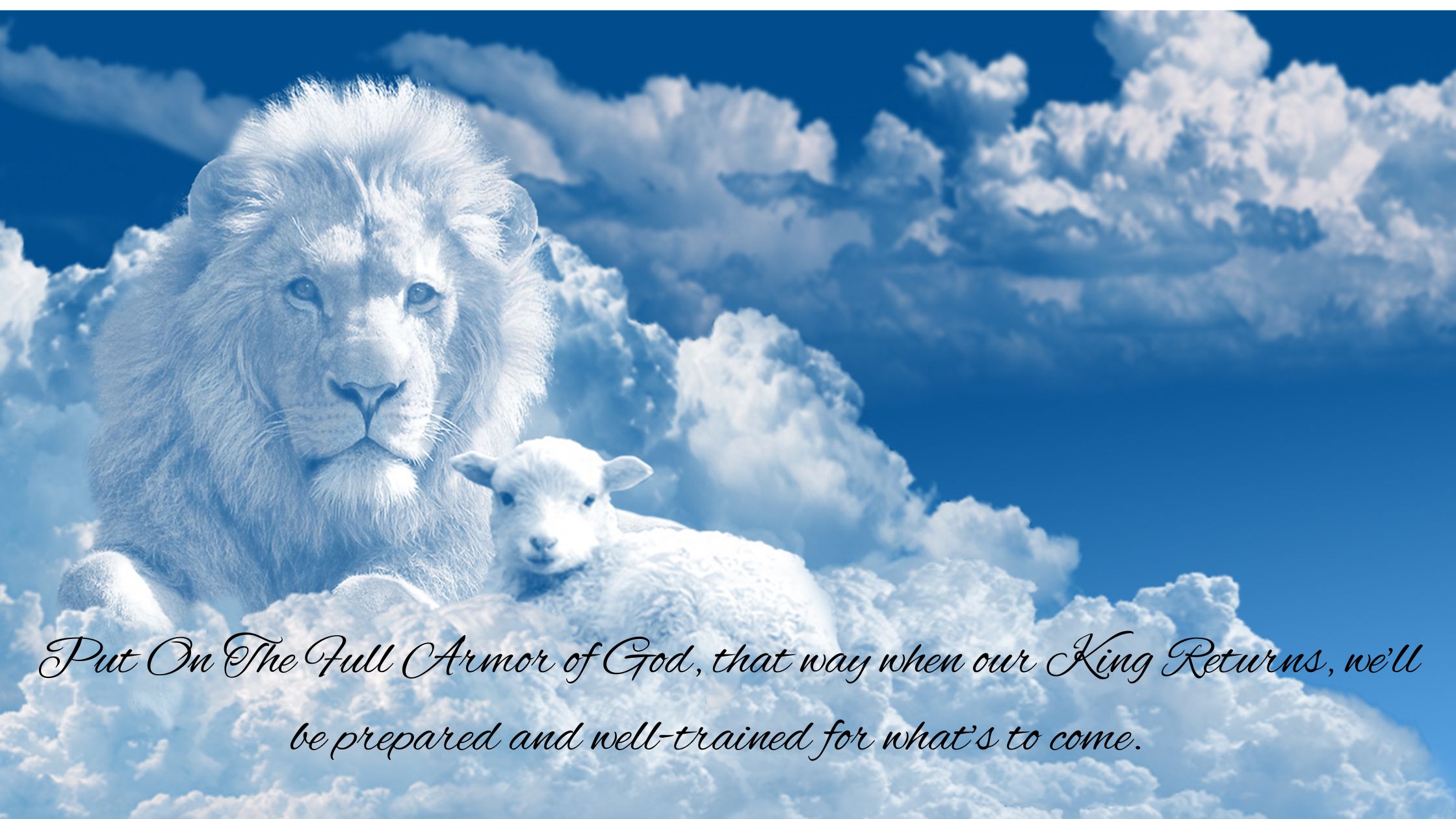
    But when the people gathered around Jesus, He offered a breath of fresh air. Cool water that brought life from within. He invited them in. He was warm and loving—just as He is today. To many, Jesus might seem distant or even dead. But to those who are spiritually awakened, Jesus is alive. And He’s coming back. His first arrival was like a lamb. His second will be like a lion—a King.

    It’s that first arrival I’m speaking of. His speech wasn’t dressed up. It was raw and filled with life. Just like John the Baptist. Just like the Apostles and Paul. They were filled with the Spirit of God. And so are we—those who have accepted Jesus, believe in Him, and are baptized.

    Speech in any form carries such power, yet it’s often the least of anyone’s concerns. When we walk down the street and see a homeless person, we rarely offer a warm hello. Instead, we cast glances of disgust or disdain. Then we whisper among ourselves. If someone is more attractive than we are, we gossip. We stir drama. And we’re quick to deny it.

    But Scripture reminds us:

    “But the Lord said to Samuel, ‘Do not consider his appearance or his height, for I have rejected him. The Lord does not look at the things people look at. People look at the outward appearance, but the Lord looks at the heart.’” — 1 Samuel 16:7
    “Stop judging by mere appearances but instead judge correctly.” — John 7:24
    All of this is speech.

    It isn’t just words—it’s behavior. It’s demeanor. It’s facial expressions. It’s thoughts. And if we’re not careful, it becomes a reflection of the very things we claim to stand against.
    “The tongue has the power of life and death, and those who love it will eat its fruit.” — Proverbs 18:21
    “Do not let any unwholesome talk come out of your mouths, but only what is helpful for building others up.” — Ephesians 4:29

    Growing up partially deaf, I grew accustomed to feeling vibration. I learned to sense how someone was speaking to me—not just through words, but through tone. Today, tone is everything. It sets the stage for the kind of conversation that will be had.

    I also learned to read body language. If someone is in a state of disdain, their body will show it. If they’re angry, their posture speaks loudly. If they’re joyful, their presence radiates it. Speech isn’t just verbal—it’s physical, emotional, and spiritual.
    “Let your conversation be always full of grace, seasoned with salt, so that you may know how to answer everyone.” — Colossians 4:6
    “A gentle answer turns away wrath, but a harsh word stirs up anger.” — Proverbs 15:1
    Tone and body language are extensions of the heart. And Scripture reminds us that what flows from the heart shapes everything we say and do.
    “For the mouth speaks what the heart is full of.” — Luke 6:45

    To many of you, this may seem irrelevant. How is this connected to faith? It’s deeply connected—because our actions speak louder than our words, and our children are always watching.

    If our speech—through tone, body language, and facial expressions—is disdainful or disrespectful, our children will notice. They will begin to adopt these negative behaviors too. This is something I’m learning every day with my kids. I’m helping them understand the difference between healthy and harmful communication. That what most call an “RBF” (resting bitter face) is more than just a look—it’s a form of speech. It speaks volumes without saying a word.

    “Start children off on the right path. They should go in the right direction early. When they are old, they will not turn away from it.” — Proverbs 22:6 “Be imitators of God, therefore, as dearly loved children and walk in the way of love.” — Ephesians 5:1–2

    We are called to be examples—not just in what we say. We must show it in how we live, how we respond, and how we carry ourselves. Our children don’t just hear us—they feel us. They mirror us.

    Bringing this conduct into modern times, we need only look at our world leaders. History is filled with political and spiritual figures whose speech brought terror, peace, unity, and revolution. Even political parties wield speech as a tool to sway nations. It’s a powerful force—capable of building bridges or burning them.

    Adolf Hitler used speech to spread propaganda rooted in white supremacist ideology, blaming Jewish people for Germany’s decline. His rhetoric fueled the Holocaust, leading to the extermination of over 6 million Jews across Europe.

    Ronald Reagan, in contrast, used speech to inspire hope and freedom. On June 12, 1987, he stood at the Brandenburg Gate and boldly declared, “Mr. Gorbachev, tear down this wall!”—a moment that helped catalyze the fall of the Berlin Wall and the end of the Cold War.

    Martin Luther, in 1517, nailed his 95 Theses to the church door in Wittenberg. He challenged the corruption of the Catholic Church. His speech at the Diet of Worms in 1521 was pivotal. He declared, “Here I stand, I can do no other.” This speech ignited the Protestant Reformation. It forever changed the spiritual landscape of Europe.

    Dr. Martin Luther King Jr., on August 28, 1963, stood before 250,000 people at the Lincoln Memorial and declared, “I have a dream.” His words became the anthem of the Civil Rights Movement. They helped to usher in the Civil Rights Act of 1964. This marked a new era of racial justice.

    Each of these figures used speech not just to communicate—but to transform. Their tone, conviction, and clarity moved hearts, shaped nations, and altered the course of history.
    “The words of the reckless pierce like swords, but the tongue of the wise brings healing.” — Proverbs 12:18

    So, my fellow readers, speech is a powerful tool that we wield daily. And if left unchecked—unfiltered—we create situations that never needed to be created.

    If we’re solely focused on our self-righteous behavior, we end up fostering selfish ambitions. This doesn’t build—it breaks. It doesn’t heal—it harms.

    We create a pool of death and destruction, rather than life and construction.
    “For where you have envy and selfish ambition, there you find disorder and every evil practice.” — James 3:16


    “The words of the reckless pierce like swords, but the tongue of the wise brings healing.” — Proverbs 12:18

    So, let us choose life. Let us not judge based on appearances. Let us choose love over condemnation. Let us filter and bridle our tongues, opting for wisdom rather than pride. Let us take a pause in our own lives and reflect on what we’ve said and done.

    Psalm 1:1–6 (NIV) Blessed is the one who does not walk in step with the wicked. They do not stand in the way that sinners take. They do not sit in the company of mockers. Their delight is in the law of the Lord. They meditate on his law day and night. That person is like a tree planted by streams of water. It yields its fruit in season. Its leaf does not wither. Whatever they do prospers. Not so the wicked! They are like chaff that the wind blows away. Therefore the wicked will not stand in the judgment, nor sinners in the assembly of the righteous. For the Lord watches over the way of the righteous, but the way of the wicked leads to destruction.

    Because every word we speak has the power to either build or break. Every action we take either reflects Christ or distracts from Him.

    Let us be intentional. Let us be humble. Let us be examples.

    A whisper can heal, a word can ignite, A sentence can shatter, or bathe us in light. We wield this tool daily, both gentle and bold, Yet forget its great power, its stories untold.

    Unchecked, it stirs storms that never belonged, Unfiltered, it builds what’s bitter and wrong. When pride takes the mic and love takes the fall, We echo destruction, not mercy’s call.

    Let us not judge by the surface we see, But speak with a heart that longs to be free. Let wisdom be bridal, let silence be grace, Let truth be the mirror we’re willing to face.

    Choose life in your language, choose love in your tone, Let Christ be the compass when you’re all alone. Reflect on what’s worthy. Then release what’s true. The power of speech begins first in you.

    Stay Tuned: Purity and Faith
    We’ve explored the power of speech— Now let’s journey deeper still. Into the quiet places of the heart, Where purity and faith begin to fill.

    Stay tuned for reflections that cleanse, Truths that anchor, and grace that restores. Because when faith is refined, Purity opens heaven’s doors.

  • Misinterpretations, confusion, and loss of conversions.

    This post is written in tandem with “God….Religion or Relationship “https://truth-unveiled.org/2025/07/13/the-art-of-connection/

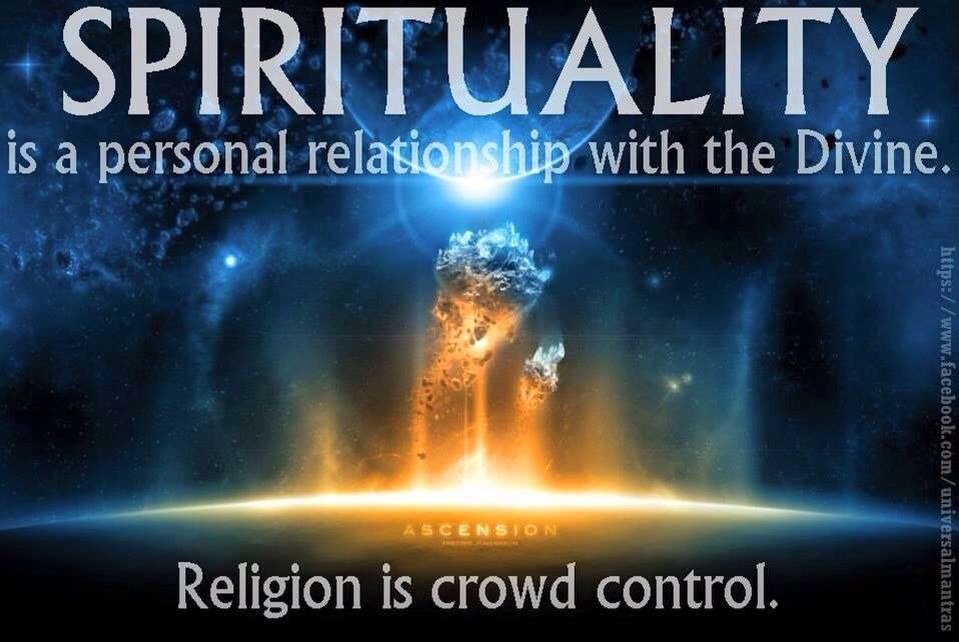
    Why does man always associate God with Religion?

    I’ve asked myself this question time and time again—especially when the topic comes up in conversation. It’s disheartening how often people equate God with religion, as if the two are inseparable. But nowhere in the Bible does it say God is religion. That’s a man-made association.

    Historical Conditioning:

    • Early civilizations like Sumer and Egypt recorded divine worship on tablets and temple walls. They often linked gods to kings and laws.
    • Original monotheism was common in ancient cultures. Many had a belief in a single Creator God. This God lived in the heavens and gave moral laws.
    • Over time, relationship with God deteriorated, and people began worshiping lesser gods, forming rituals and priesthoods to “reach” the divine.
    • This shift from intimacy to institution laid the foundation for associating God with religion.

    Mental Comfort in Systems

    • Religion offers structure—rituals, routines, and moral codes that help reduce anxiety and give life predictability.
    • Faith communities provide emotional support, creating a sense of belonging and shared values.
    • Rules and roles in religion give clarity during tough times, helping people make decisions and feel safe.
    • But this comfort can become a substitute for intimacy. Man will choose the safety of systems over the vulnerability of a relationship.
    • As Freud and Feuerbach suggested, the idea of God can become a projection of human needs. It may resemble a father figure or an idealized protector.

    This is where the confusion begins—when man replaces Spirit with system. The Pharisees and religious leaders of Jesus’ time had already begun shaping God into a legalistic framework. They prioritized rules over relationship and law over love. They enforced rituals, elevated status, and weaponized Scripture to keep control. But Jesus came to disrupt that system—not to abolish the law, but to fulfill it through grace and truth. In the book of Acts, we see the early believers living as a Spirit-led community. They were not bound by religious hierarchy. Instead, they were empowered by divine purpose. The original church wasn’t built on rituals—it was built on revelation. They gathered in homes, shared everything, and moved as the Spirit directed. This was the blueprint: a living body, not a lifeless institution.

    Jesus didn’t come to reinforce religious control—He came to release spiritual freedom. The Pharisees built walls with laws; Jesus tore them down with love. And after His resurrection, the movement didn’t become a religion—it became a relationship-driven community. In the book of Acts, we witness the birth of the original church:

    • Followers of Jesus
    • Disciples teaching His Word
    • The Holy Spirit moving among them—still God, but functioning in a distinct role within the Trinity

    The spirit of the Pharisees didn’t die with the temple—it simply changed clothes. Today, it walks into pulpits with polished theology but no spiritual authority. It builds platforms instead of altars. It trades humility for hierarchy, and revelation for reputation. Though the names have changed—bishop, reverend, apostle, influencer—the heart behind it often remains the same: control, status, and self-promotion. This spirit resists the move of the Holy Spirit, because it fears losing power. And just like in Jesus’ day, it blinds people to the truth standing right in front of them. That’s why we must hold fast to Proverbs 3:5–6: “Trust in the Lord with all your heart. Do not lean on your own understanding. In all your ways, acknowledge Him, and He will direct your paths.”

    This verse alone clears up so much of the confusion. It reminds us that God leads—not man. To truly follow Him, we must surrender our hearts to God. We should ask for the Spirit of Discernment—the Holy Spirit. Only He can open our eyes to see what we otherwise would not and cannot see. He alone can open our ears to hear what we otherwise cannot grasp. We must not make man our source. We must seek God’s wisdom and understanding in all our ways

    With discernment, you begin to see clearly:

    • Who’s teaching by the Spirit
    • Who’s teaching from the flesh

    It’s obvious when you’re Spirit-led. But without discernment, it’s easy to be misled—like a deer caught in headlights.

    Now, let’s go deeper. The body of Christ is not a religious institution—it’s a living, breathing community of believers. And each member of that body has a role. In Ephesians 4:11, we’re shown five key functions:

    • Apostles
    • Prophets
    • Evangelists
    • Pastors
    RoleFunctionBiblical Reference
    EvangelistsSkilled in sharing the gospel and leading people to faith in Christ. They focus on outreach and planting churches.Ephesians 4:11, Acts 21:8, 2 Timothy 4:5
    ProphetsSpeak God’s word, sometimes revealing future events or offering guidance and correction. Inspired to communicate God’s will.Ephesians 4:11, 1 Corinthians 12:28, Acts 13:1, Acts 21:10–11
    TeachersEquip believers with knowledge and understanding of scripture, explaining doctrine and helping them grow in faith.Ephesians 4:11, 1 Corinthians 12:28, Romans 12:7
    Pastors (Shepherds)Oversee and care for the spiritual well-being of a congregation, providing guidance, nurture, and protection.Ephesians 4:11, John 10:11–16, Acts 20:28
    ApostlesFoundational leaders, often linked with starting churches and establishing doctrine. Sent ones, commissioned to represent Christ’s authority.

    Ephesians 4:11, 1 Corinthians 12:28, Acts 1:21–26, Acts 14:14

    We will know who are truly called and anointed by God by their fruit. As Jesus said in Matthew 7:16: “You will know them by their fruits.”

    It’s not the title that proves the calling—it’s the evidence of the Spirit at work. Love, humility, wisdom, and truth are the marks of a God-appointed leader.

    Anyone can build a religious institution and appoint people to positions—but that doesn’t mean they’re God-appointed. Titles don’t equal anointing. The true measure is whether they are led by the Spirit of God. It is not by their own understanding. It is also measured by whether their lives bear the fruit of the Holy Spirit. We each have a divine purpose within the body of Christ, and it’s the Spirit—not status—that confirms our calling.

    So why does man always associate God with religion? Maybe because it’s easier to follow structure than Spirit. But God isn’t confined to rituals, buildings, or titles. He moves through hearts, through truth, and through Spirit-led relationship.

    Why do people want to interpret the Bible their own way?

    They try to convince others that their interpretation is the correct one. Yet this leads to damaging anyone who may want to turn their life over to God. Take, for example, Hebrews 6:4–6. It came across my email via Quora Digest and stirred up a storm of contention and arguments. This is a prime example of people relying on their own interpretations. They depend on their own understanding rather than seeking the counsel of God.

    This passage is referencing a falling away. There are two kinds of Christians:

    • Those who follow Jesus
    • And those who have tasted the heavenly gifts of our Heavenly Father and have deliberately chosen to live a sinful life

    Reading the responses in that digest shook me. I had to seek spiritual counsel. I asked myself, “Whoa… is everything I’ve been doing over the past five years in vain?” Where then does hope come into play? What about faith?

    If I had leaned on the understanding of man, I would be lost forever. I would be condemned to spend eternity in hell, away from God. But I am not submissive unto mankind. Is it better that I listen to God or to man? Judge ye.

    I am not saying the bible doesn’t say what it says. I am merely pointing out that people tend to take things out of context. The bible is our instructions on how to live our lives to the fullest with God. It holds the answers and solutions to every problem we face in our lives today. Even how to handle the division that stands before us in every nation.

    Isaiah 30:1 — A Warning Against Man-Made Covering

    “Woe to the rebellious children,” declares the Lord. “They execute a plan, but it is not Mine. They make an alliance, but it is not of My Spirit. They do this in order to add sin to sin.” — Isaiah 30:1

    This is why it is imperative that those who desire a life with God always turn to the Bible. Read. Pause. Pray. Talk to God about what you’ve read. Find a pastor who is aligned with Christ’s teachings and the will of God to help you understand. I’m not saying there aren’t any churches or leaders who walk in truth. I’m saying we are called to test everything we hear.

    “Test all things; hold fast what is good.” — 1 Thessalonians 5:21

    In closing I offer this:

    They speak with tongues of silver flame,
    Yet twist the Word and cast their blame.
    But truth is not in man’s decree—
    It flows from God, eternally.

    I read, I paused, I knelt, I prayed,
    And asked if all my work decayed.
    But hope is not a fleeting breath,
    It lives beyond the sting of death.

    Faith is not a man-made creed,
    Nor bound by pride or selfish need.
    It’s forged in fire, refined in grace,
    And found in God’s most holy place.

    So judge ye now—whose voice is true?
    The one who speaks, or One who knew?
    The One who died, then rose again,
    To break the curse and cleanse all sin.

    Test every word, discern each sound,
    Let Scripture be your solid ground.
    For those who seek, and those who yearn,
    Will find the truth when they return.

    Return to Him, the Word, the Light,
    Who guides the soul through darkest night.
    Not by religion, law, or pride—
    But by the Spirit, deep inside.

    Blessed Heavenly Father, Creator of the universe. You are the Truth of old and new and the Matchless name of Jesus. Thank You for Your love, Your grace, and Your sacrifice.

    Show the way to those who seek You, Father. Guide those who yearn to know You. Inspire those who desire a life with You, Jesus. Surround them in Your glory, yet honor their free will. Place it upon their hearts to diligently seek You—without fear, without shame.

    Remind those who misuse Your Word to instill fear or condemnation That You alone are God—merciful, just, and holy.

    In Jesus’ name we pray, Amen.

  • Is Forgetting the Same as Forgiveness?

    “I’ve carried this question—can you truly forgive if you haven’t forgotten?—through seasons of healing, wrestling, and surrender.”

    I’ve been asking myself that same question for months now. When someone hurts you deeply, it’s hard to forget the pain they caused. The emotional turmoil. The upheaval of memories. The whispers of self-doubt and blame. Where does it truly lie?

    Memories don’t ask permission to resurface. Sometimes, I find it hard to muster the strength to get through just a moment of the day. Memories can be paralyzing.

    As a believer in Christ Jesus, I’ve felt shame in how things went down—shame that tries to cloud my identity. How do I turn to my Savior when what I just went through clings to me? How do I seek Jesus when anger seeps so deep within? Where can I find the peace that was promised?

    So how do I forgive someone?

    I once thought forgiveness meant pretending the pain no longer existed. Or that forgiving them would let them off the hook, while I was still drenched in the ache. But that isn’t true.

    Jesus answered this very question when Peter asked Him:

    “Lord, how many times shall I forgive my brother or sister who sins against me? Up to seven times?” And Jesus replied: “Not seven times, but seventy-seven times.” (Matthew 18:21–22)

    I thought to myself, Am I supposed to forgive someone 77 times? What could Jesus have meant by this?

    I pondered this deeply while moving forward in life. The Spirit gave me a revelation. Each time the memory rises in me, direct those emotions toward the person. Each time the emotions feel sharp again, direct those emotions toward the person. Release it to Him through forgiveness.

    So, how do I forgive someone? It’s as simple, and as sacred, as that: You just do. You make the choice. You surrender the pain. You trust Jesus with the justice.

    The Promise Still Stands:

    Forgiveness is not about erasing what happened. It’s about remembering differently—with wisdom, with grace, and with spiritual authority. You don’t have to forget to be free. You just have to release and be willing to receive healing

    Blessed are they which do hunger and thirst after righteousness: for they shall be filled.” — Matthew 5:6

    Forgiveness is a choice, but it’s also a command:

    • And be ye kind one to another, tenderhearted, forgiving one another, even as God for Christ’s sake hath forgiven you.” — Ephesians 4:32 (KJV)
    • “And when ye stand praying, forgive. If ye have ought against any, forgive that your Father also which is in heaven may forgive you your trespasses.” — Mark 11:25 (KJV)
    • If you forgive men their trespasses, your heavenly Father will forgive you. But if you do not forgive men their trespasses, your Father will not forgive your trespasses.” — Matthew 6:14–15 (KJV)

    These aren’t verses to repeat to myself every day in passing. They’re commands to live by in every moment of my day. Rain, snow, sleet, or shine. Forgiving someone who has trespassed against us is not just spiritual obedience. It’s a powerful tool. It can cut the chains that hold us captive. Jesus died to set us free.

    Forgetting is a process, but it’s also a dimension of forgiveness. These memories—of past and present hurts—are not just flashbacks. They’re spiritual invitations. They reveal our false selves. This realization frees us to become who we truly are in Christ Jesus.

    This isn’t a one-time act. It’s a lifestyle of surrender. Some days, the strength just isn’t there. So I give all to Christ Jesus—the memories, the pain, the emotions that rise again. This is quite literally an everyday event. It’s not just forgiveness. It’s living forgiven.

    So Where Does It Truly Lie?

    Pride will tell me it’s his fault, or hers. Then it will whisper that maybe I’m the one to blame. But the truth is—blaming doesn’t bring healing. It doesn’t rewrite the past, and it never sets the soul free.

    I’ve had to learn to extend grace to others… And perhaps even more, to myself. Holding grudges? Recalling the offense? They do nothing good. So who’s to blame—me? You? Her? Him? Them? The devil? Does it truly matter?

    Why do we go in circles when Christ already broke the cycle? Why not forgive—and move forward?

    “Keep your face to the sunshine, and you cannot see your shadow.”

    In other words—look ahead at what will be… Rather than back at what could have been. The past is dead. The present is now. And the future is a whole new life waiting to be explored

    The Gift of Forgiveness

    I thought freedom came with forgetting. But healing whispered something more. It was a Savior who saw my weeping. He walked me through that door.

    Forgiveness isn’t weakness, It’s the strongest thing I know. To love like Christ in moments When pain refuses to go.

    The chains that tried to bind me Now crumble at His name. I stand in holy silence Unburdened, unashamed.

    This grace—it isn’t borrowed, It’s bought with heaven’s blood. It floods my soul like mercy And lifts me like a flood.

    So I forgive—not just to lighten, But to live, and to release. For Jesus died to set me free— And in that, I find peace.

    Lord Jesus, Teach me to forgive—not merely in word, but in full surrender. Help me release what I’ve held so tightly and trust You with my healing. When memories stir and wounds whisper, remind me that I am Yours. Empower me to love the unlovable, to extend grace like You’ve shown me. Thank You for cutting the chains and crowning me with freedom. May my life be a testimony of mercy, wrapped in the truth of the cross. In Your matchless name, Amen.

  • Words: Life or Death

    Words: Life or Death

    Words: Life or Death?

    No one truly knows the full weight of their words—how deep they cut or how far they heal. But Scripture makes it clear: words carry power. Life and death. Healing and harm.

    “Death and life are in the power of the tongue, and those who love it will eat its fruit.” — Proverbs 18:21

    The tongue is a double-edged sword, much like the Word of God. God’s Word breathes life into mankind—but for those unwilling to heed it, it can mark judgment. That truth has become clear to me over the last five years.

    I’ve learned something simple, yet profound. When I don’t pray in the morning, I notice things unravel. If I don’t show gratitude or speak to God throughout my day, everything starts to fall apart. If I don’t clothe myself in the armor of God—even if that sounds strange—I start to drift. My peace fades. My thoughts spiral. My day crumbles.

    We were made in the image of God. That’s not symbolic—it’s foundational. He is the Creator of everything. This includes the sky and the ground, the sun and the moon, and the towering mountains and fiery volcanoes. Not crafted by science or shaped by history books—spoken into existence by the breath of God.

    And His greatest creation? It’s us. You and me. If we truly bear His image, then we carry the power to speak life… or destruction.

    🗣️ The Creative Weight of Words

    If God spoke creation into being, then our words create, too. Every day, every moment, we speak—building or tearing down with every sentence. We shape our own realities. We breathe love or shame over ourselves, over others.

    Words don’t appear from nowhere. They begin in thought, drip into emotion, and rise from the heart.

    “Out of the abundance of the heart the mouth speaks.” — Luke 6:45

    Every word you speak was once a whisper in your mind, a stirring in your spirit. That’s why it matters what we dwell on, what we believe, what we allow to live inside our hearts.

    🌬️ The Language of the Wind

    When I was in high school, I was shy. Quiet. I kept to myself and had few friends. That silence made me an easy target for bullies.

    One day, I turned to one of them and said:

    “Do it. If you want to beat me up as badly and boldly as you proclaim, here’s your chance—do it.”

    She backed off.

    Later in class, I asked her, “Why didn’t you beat me up? I gave you the chance.” She looked at me and said something I’ll never forget:

    “There’s something about you that scares the hell out of me.”

    I didn’t understand it then. But when I reflected, I remembered something deeper from my childhood.

    I was partially deaf growing up. The world around me was muffled, like living beneath a veil of cotton. But the wind… the wind spoke. Not in syllables or sentences, but in movement. In rhythm. In presence. It had a language I understood—one that comforted me before I ever knew what comfort was.

    When hearing is dimmed, the other senses step ahead. For me, tone spoke louder than words. Even now, it shapes how I interact with others—how I perceive truth beyond spoken language. A gentle voice can still carry harm, and a firm one can offer safety. Tone became a compass.

    I also learned to read body language—eyebrows lifted in curiosity, arms crossed in judgment, eyes glazed in pain. Even as sound betrayed me, sight became my storyteller. And in all that silent observing… the wind became my interpreter.

    But I never knew what that presence truly was. Not until I met Jesus. Not until someone handed me scripture and opened a doorway to understanding.

    It wasn’t until I was introduced to the church that I could finally give the wind a name. It had always been Him. The Spirit of God.

    He had been speaking to me all along—through rustling leaves, cooling breezes, quiet stillness. And though I didn’t recognize His voice in childhood, it never stopped calling.

    “Before we learn to speak, we learn what words feel like.” or “Some wounds form in silence—others are carved by noise.”

    💔 When Words Wound

    Growing up, I didn’t just hear harsh words—I lived under them. “You’ll never amount to anything.” “You’re bound for a short life.” “You’re nothing.”

    Those words came from people I trusted—my own parents. And long before he passed, even my husband said:

    “You’d be nothing without me. You’d be on the streets selling yourself if it weren’t for me.”

    Those weren’t just insults. They were curses spoken over my spirit. And for years, I believed them. I lived in a shadow constructed by someone else’s voice.

    But here’s what God showed me:

    Words leave scars that linger longer than any bruise. Bruises fade. Forgiveness, though hard, can come. But forgetting? That’s the mountain we don’t know how to climb.

    One day, as I wrestled with this, God spoke gently but firmly:

    “If I can forget your sins, why won’t you forget theirs?”

    I was stunned. “Father,” I asked, “how can I forget, when the memories keep rising like waves?”

    And He led me to Hebrews 10:12–22. It was verse 22 that held the key:

    “Let us draw near to God with a sincere heart. Let us have the full assurance that faith brings. Our hearts should be sprinkled to cleanse us from a guilty conscience…” — Hebrews 10:22

    It wasn’t about erasing memory. It was about healing the heart so completely, that the memory no longer holds power.

    🔍 Reflect & Pray

    Jesus gives us the power to quench every fiery word—through the full armor of God. So I pray:

    Blessed Creator. King of the Universe. Creator of the Heavens and the Earth. Blessed Heavenly Father. Lord and Savior Jesus Christ. I thank You for all that You have wrought unto me in this lifetime. I thank You for always being there for me.

    Blessed Father, I come before You humbled and ask for Your protection. I put on the Helmet of Salvation to guard my mind from intrusive, invasive thoughts. I wear the Breastplate of Righteousness to protect my heart from rising emotions that paralyze. In Jesus’ name, I bring every thought captive and cast each care upon You.

    I fasten the Belt of Truth around me—to resist every lie that tries to take hold. I step into the Boots of Peace—not only to carry calm, but to walk in Your presence. I raise the Shield of Faith to quench the fiery darts thrown at me by the enemy. You said, You will never leave me nor forsake me, and I hold onto that promise.

    And I wield the Sword of the Spirit—Your Word—my only offensive weapon. I strike down the enemy, whether near or far, and stand firm in the love of Jesus. Let all who walk beside me be covered and at peace.

    Let every word I speak be words of life to every person I come in contact with. Whether I know them or work with them or just pass them on the street—let Your love shine through me. Let it echo in the words I speak.

    For I trust in You with all my heart. In every way, I acknowledge You, Lord—because You direct my path. May Your Kingdom come. May Your will be done, on earth as it is in Heaven. Use me, Father. Let me be Your hands. Let me be Your feet. In Jesus Christ’s name, I pray. Amen.

    💌 Join the Conversation & Stay Connected

    If these words have stirred something inside you—be it conviction, curiosity, or comfort—I invite you to share your thoughts. Ask the burning questions. Speak what’s on your heart.

    Lord, I pray You give courage to those who feel called to comment. That Your Spirit moves through every word, every reply, every moment of vulnerability.

    If you’d like to be notified when I share more reflections and testimonies, feel free to subscribe. Walk this journey with me. Let this space become more than a blog—it’s a sanctuary of truth and grace.

    Let this be your daily reminder: Words carry life, power, and Purpose. As you sip your morning coffee, reflect on your speech. “Words Hurt Like Hell, Be kind with your lips.

    https://www.truth-unveiled.org/products/insulated-coffee-mug-10oz

    Leave a Reply

  • “Welcome Home: The Heart Behind This Blog”

    “Welcome Home: The Heart Behind This Blog”

    Truth Unveiled: A Personal, Redemptive Journey with Jesus Christ

    Step into a sanctuary of clarity — where flesh gives way to Spirit, and redemption becomes revelation.

    A Spirit-Led Welcome

    Unveiling truth is not merely about gaining knowledge. It’s about stepping out of flesh-bound thinking. It involves walking into the light of the Spirit. As creations of a Holy and Intentional God, we were made for spiritual connection, not worldly confusion. We weren’t designed to follow crowds, perform rituals, or hide behind religious appearances. We were made to walk in the Spirit — led by truth, shaped by grace.

    “If we walk in the light, as He is in the light, we have fellowship with one another. The blood of Jesus His Son cleanses us from all sin.” — 1 John 1:7 To me, this means being forgiven of everything. This forgiveness includes not just the long-buried past. It even covers the seconds that have just passed. The light doesn’t just expose — it heals, and Jesus’ blood doesn’t delay in redemption.

    “See what great love the Father has lavished on us, that we should be called children of God!”1 John 3:1 This isn’t a distant title — it’s a love-drenched identity. We are not just believers, we’re beloved.

    But many walk under the banner of belief with hearts far from true surrender. Even Jesus Himself spoke this hard truth:

    “These people honor me with their lips, but their hearts are far from me.”Matthew 15:8

    There’s no power in hollow praise. Many proclaim belief, attend church, and follow ritual — but God isn’t seeking performance. He wants your heart.

    Just because you wear a cross doesn’t mean you’ve picked it up. Just because you go to church doesn’t mean you’ve entered fellowship. And just because you say the name of Jesus doesn’t mean you’ve walked beside Him.

    God does not want your works — He wants your willingness. He wants your worship, not your checklist. He wants intimacy, not image

    ️ The Sword of Truth

    There’s no neutral ground in the realm of truth. Scripture reveals that sin is more than struggle — it’s a sign of spiritual allegiance.

    “The one who does what is sinful is of the devil, because the devil has been sinning from the beginning.” 1 John 3:8

    This verse hit me hard when I read it. Because it convicted me in the way I’ve lived my life. Always my way. Pride and arrogance always being present. The Flesh is sinful always has been always will be.

    “No one who continues to sin has either seen Him or known Him.” 1 John 3:6

    And Jesus makes it plain:

    “I am the Way, and the Truth, and the Life. No one comes to the Father except through Me.” John 14:6

    Regardless of what anyone in this world, be it someone with a PH.D, a doctorate degree or what have you. Regardless of what society has to say what limitations are put on laws and constitutional laws Jesus is the “Way, The Truth and the Life”

    “Do not think that I came to bring peace on earth. I did not come to bring peace but a sword.”Matthew 10:34

    This blog isn’t about comfort. It’s about clarity. Not to affirm the world’s narratives — but to uncover spiritual reality and awaken hearts to repentance and restoration. The truth will always offend those in the dark. Darkness will shriek each time light is shown upon it. The song “Set Me Free” by Casting Crowns says, “the dark ones shriek.” They scream his name. Jesus is the light. When we need to be saved and we call his name, he shows up and the darkness runs.

    “Where does truth confront your comfort? Has His sword pierced a part of your heart you were hiding?”

    🌱 You Were Made for the Spirit

    Flesh-bound living traps us in cycles of pride, fear, self-righteousness, self-reliance, and ego—quiet snares that masquerade as strength. But the Spirit invites us out of the fog and into clarity. Into identity. Into intimacy. Into the slow, sacred unveiling of who we truly are in Christ Jesus.

    This isn’t a once-and-done awakening—it’s a daily walk. A letting go. A surrender. A resurrection of our truest self through the living breath of God. When we walk by the Spirit, we are no longer defined by the demands of flesh. Instead, we are restored by the movement of grace.

    It is the Spirit who gives life; the flesh profits nothing.” — John 6:63

    The flesh and the Spirit are in holy tension—because holiness and sin cannot coexist. Darkness cannot dwell in light. The flesh is sinful, but the Spirit is holy. When we begin to recognize that contrast, we begin to long for the light.

    “For those who are led by the Spirit of God are the children of God.” — Romans 8:14

    To walk by the Spirit, we must first receive Him. That journey starts with accepting Jesus Christ as your personal Savior—a surrender not just of belief, but of heart. Repentance and water baptism, as Peter affirms in Acts 2:38, open the door to the gift of the Holy Ghost.

    “Repent and be baptized, every one of you in the name of Jesus Christ… and you will receive the gift of the Holy Spirit.” — Acts 2:38

    And yet, the Spirit cannot be boxed in. In Acts 10:44–45, Cornelius and his household received the Holy Spirit even before baptism. Jesus said it plainly in Luke 11:13—“If you then, though you are evil, know how to give good gifts… how much more will your Father in heaven give the Holy Spirit to those who ask Him?”

    So yes, to be led by the Spirit, we must first receive Him. But how and when He enters? That’s a mystery God Himself orchestrates. Let this space be one of reverent exploration, not rigid debate.

    “If anyone is in Christ, he is a new creation. The old has passed away; behold, the new has come.” — 2 Corinthians 5:17

    This verse speaks to the heart of transformation. Accepting Jesus means your old self is buried—though we still wrestle with flesh, we rise redeemed. That’s the beauty of water baptism: going down in sin, coming up marked by grace. From there, the long and holy journey of sanctification begins.

    “Walk by the Spirit, and you will not gratify the desires of the flesh.” — Galatians 5:16

    When you walk by the Spirit, worldly cravings lose their grip. You must truly desire change. For me, secular music and instant gratification no longer hold me hostage. I don’t say this from pride—but from freedom. Because Spirit-led living isn’t effortless—it’s holy resistance. I lay down my desires daily and pick up the cross—not as punishment, but as invitation. Every time I choose Jesus over ego, I come alive again.

    This blog is my altar—a place to chronicle that transformation. An honest attempt to live the Word in the rhythm of real life.

    Reflect and Pray

    Lord, if You’re near, let me feel You in the stillness. Let me hear not the roar of answers but the whisper of Your truth.

    Have I known You, not just in name, but in the aching hush between my confessions?

    Have I walked with You in surrender, or have I danced in circles with my pride?

    Is my faith built on ritual, or does it bleed with love? Does my spirit bow, or does my flesh still reign?

    I do not come to impress, but to be found. I do not come with polished words, but with longing.

    Can You make me new again—like You promised? Can You teach me to walk by fire, not just by habit?

    I lay down my ways, my comforts, my ego— to follow You wherever light spills into darkness.

    Unveil me, Lord. Renew me. Lead me. And let this place be not just mine, but Yours.

    in Jesus Name I pray Amen

    💌 Subscribe and Stay Connected

    If this post stirred something in you—whether conviction, curiosity, or comfort—I invite you to share below. And if you’d like to walk this journey with me, consider subscribing to receive future reflections.

    Leave a Reply

  • My Journey from Deception to Clarity. A Walk to Redemption

    My Journey from Deception to Clarity. A Walk to Redemption

    This post is part of a deeper journey—one shaped not by inspiration alone, but by struggle, surrender, and sacred encounters with Jesus.

    Over time, I’ve walked through deception, faced the lies I believed about myself, and uncovered truths I never imagined could be mine.

    Unveiling Brings with Surrender:

    Much of what I’ll share here comes from those moments—raw, reflective, and rooted in scripture. The Old Testament conceals the New, and the New reveals the Old. Somewhere between them, I began to see the fullness of God’s redemptive plan. Not just for the world, but for my own heart.

    What you read now is a testimony. My walk toward clarity. My hope is that it will meet you in the middle of your own unveiling! With love, and a quiet invitation to surrender.

    Scripture As a Mirror

    Matthew 5:17 “Do not think that I have come to abolish the Law or the Prophets. I have not come to abolish them but to fulfill them.”

    Jesus wasn’t rewriting history—He was revealing its purpose. He didn’t dismiss the old; He completed it with grace.

    In the same way, with each moment I spend with Him. He unveils parts of my story not to condemn—but to connect them to His. The broken places, the misunderstood chapters… He doesn’t abolish them. He fulfills them.

    What I hear Him saying to my heart is this: “I’m not here to erase your past, my daughter. I’m here to walk you into the destiny I prepared for you—using every chapter you thought disqualified you.”

    His word becomes a mirror not to shame me. But to show me who I am in light of who He is. And it’s something He’s more than willing to do for you, too… if you’ll let Him.

    2 Corinthians 3:16 “But whenever anyone turns to the Lord, the veil is taken away.”

    This verse paints a powerful image of revelation and clarity through Christ. The veil of deception was removed from my eyes—not as a one-time miracle, but as a daily act of surrender.

    Every time I ask, Jesus peels back another layer, showing me things I’ve never seen before. I begin to see people the way He sees them. And it’s not just my eyes He opens—it’s my ears.

    I hear what I once ignored. I hear His voice through His Word. And in that hearing, I begin to recognize the truth not only around me—but within me.

    What has God revealed to you that was once hidden?
    Is there a veil you’re still asking Him to remove?

    From Deception to Clarity

    Luke 24:27 “He began with Moses and all the Prophets. He explained to them what was said in all the Scriptures concerning himself.”

    When did clarity first interrupt your confusion?”
    What part of your past is He calling you to see through His eyes Today?”

    Jesus unveils the deeper meaning of the Old Testament. And He does the same within us.

    He reveals who we are by uncovering the concealed truths of who we are not. This unveiling isn’t a one-time event—it’s a continual act of mercy and clarity.

    In the process, we begin to see our past mistakes, decisions, and choices. Not to be judged. But to be held accountable. To be invited into repentance. To be offered a fresh opportunity at the life we were always meant to live

    What truth is He trying to reveal to you today?

    For me, the truth He reveals has been an ongoing theme in my life. I’ve carried beliefs about myself for years—some born from pain, some built from survival—and I truly thought they were permanent. But Jesus, in the quiet moments of our walk together, began unveiling truths I never would’ve discovered on my own.

    Each revelation felt both exposing and healing. He didn’t reveal who I was to shame me. He revealed who I was not, so I could finally see who I am in Him.

    So maybe today, He’s trying to show you something too. Not to break you, but to rebuild you. To call you back. To remind you that your identity is not tied to deception, but to divine clarity.

    This is the unveiling that changed everything for me. What might He be revealing to you today?

    🕊️ I’d love to hear how this message speaks to you. What truth is He revealing in your life today? Feel free to share your thoughts, prayers, or story in the comments below. This space is yours, and it’s held with grace

    and If this post has helped you in any way, check out this wall art. It’s a reminder that being still isn’t a call to stagnation. It is a call to have strength and know that God is God!

    “A visual echo of stillness-click to explore”

    If you’d like to view more visuals of the posts I write. please visit my online store at http://www.truth-unveiled.org

    Leave a Reply

  • Religion Lied. Relationship Redeems

    Religion Lied. Relationship Redeems

    Religion Lied. Relationship Redeems.

    They handed me rules before they mentioned love. Taught me how to kneel but never how to hear. I just didn’t understand what I was walking into.

    I was a child following the rules of my parents—no context, no explanation. Just orders. Just tradition. Just Sunday morning performance.

    They forced me into church culture. And every Sunday, we dressed up in our holiness like armor. But behind the doors, there were arguments, yelling, judgment. Whispers of disapproval if I was seen texting. Barking voices because I wanted to be a teenager. There was no grace—only expectations.

    And when I said, “I don’t want to go to church,” I wasn’t met with understanding. I was branded a disappointment. Told I was rebellious. That I needed to repent.

    We followed the crowds like spiritual robots. Lined up in pews, rehearsed our reverence. But behind the smiles were fractured hearts and unspoken hurt.

    This wasn’t revival. This wasn’t relationship. It was rehearsed religion— a fatal condition of the heart.

    🔥 The Lie We Believed

    Religion isn’t God. It’s man-made—layered, structured, and twisted through centuries. It was the Pharisees and Sadducees who modeled it first: Rules upon rules, burdens without grace, Laws that suffocated the hungry and shamed the searching.

    We were taught that performance earns salvation, That wearing our best earns favor, That we must do in order to be seen.

    But the Gospel says otherwise.

    📖 “For by grace you have been saved through faith, and that not of yourselves; it is the gift of God.”Ephesians 2:8

    We believed that going to church meant knowing Jesus. But going to a building isn’t the same as becoming the body.

    📖 “And the Lord added to the church daily those who were being saved.”Acts 2:47 The early Church wasn’t just about gathering—it was about devotion, unity, and shared surrender.

    Jesus gave us parables not as stories to admire, but as mirrors to examine ourselves:

    📖 The Parable of the SowerLuke 8:5–15 So many of us have hearts like hardened soil: religion falls upon it but relationship never takes root. We hear the Word… but do we live it?

    📖 The Parable of the VineyardMatthew 21:33–44 God entrusted His vineyard to workers—but they rejected the messenger. This wasn’t just about a field. It was about us—our stewardship, our response, our fruit.

    Faith isn’t a side piece to our lives—it’s the heartbeat. Not just a Sunday thing. Not just an emergency escape.

    📖 “I am the vine; you are the branches. If you remain in me and I in you, you will bear much fruit.”John 15:5

    To believe is to follow. To have faith is to live out His Word—not part of our lives, but the center. The very breath in our lungs. The motive behind our decisions. The love we offer the world.

    ❤️ The Grace-Filled Conclusion

    Some of us walked into church hoping for healing— and walked out carrying deeper wounds. We saw the façade behind the pulpit, the polished masks, the rehearsed love, and it left a bitter taste for any building bearing His name.

    So we wandered. Not because we stopped believing— but because we couldn’t reconcile ritual with reality. We became sheep without a fold, aching to belong yet afraid to return.

    But here’s the truth: God is not limited to stained glass and sermons. He’s not confined to structure—He dwells in surrendered hearts.

    📖 “The God who made the world and everything in it is the Lord of heaven and earth and does not live in temples built by human hands.”Acts 17:24

    He knows your heart better than any sermon ever could. He knows the disappointment. The questions. The longing.

    And He hasn’t walked away.

    📖 “I will never leave you nor forsake you.”Hebrews 13:5

    If we’re honest… we didn’t walk away from Him. We walked away from what we thought was Him. But the Father? He remained. He waited. He whispered.

    📖 “My sheep hear My voice, and I know them, and they follow Me.”John 10:27

    So pause. Breathe. Listen.

    You are not alone. You were never forsaken. And the door to relationship has never been locked.

    📖 “Come to Me, all who are weary and burdened, and I will give you rest.”Matthew 11:28

    It wasn’t church that saved you. It was always going to be Him.

    Reader Prayer: Relationship Over Ritual

    Father, I’ve chased performance. I’ve worshipped from a place of fear, not intimacy. But today, I choose to lay down ritual and lift up relationship. I don’t want to honor You with my lips while my heart stays far away. So draw me back—not to religion, but to You. Heal the places where church wounded me. Restore the trust I lost in the crowd. And teach me to hear You—not through noise, but through surrender. I belong to You. And that’s enough. In Jesus Christ’s name I pray. Amen

  • God is and always will be there.

    God is and always will be there.

    How Do You Know God Exists?

    It’s one of the most common—and most challenging—questions people ask. For many, it’s a stumbling block. Not because the answer isn’t there. But, because belief itself is hard; when pride, pain, or worldly philosophies cloud the truth and Pride reigns in the hearts of many.

    In today’s culture, many have traded the truth of God; for the theory of evolution. Believing we came from apes rather than being created in the image of a divine Creator. Science, in its pursuit of reason and evidence; has offered theories and explanations for how life began. But, even the most intricate scientific discoveries still point to intelligent design. To order. To purpose. To a Creator.

    Yet, few are willing to say it aloud. Fewer still are willing to admit it. Because acknowledging a Creator means acknowledging accountability—and that’s something pride resists.

    But even for those who believe, another question often lingers:

    If God is real, why is there so much pain and suffering?”

    “If God is real, why do babies die? Why do good people suffer? Why does evil seem to go unpunished?”

    These aren’t just philosophical questions—they’re cries from the heart. They come from hospital rooms, gravesides, war zones, and quiet moments of despair. And they deserve more than shallow answers. But they are not new questions, either. Scripture wrestles with them. So do we.

    Pain and suffering don’t disprove God’s existence. In fact, they often expose our desperate need for Him. A world without God would offer no hope, no justice, no redemption—just chaos. But with God, even suffering can carry meaning. Even loss can lead to life.

    Let’s be clear: The wages of sin is death. That’s not just a verse—it’s a spiritual law. It’s harsh. It’s uncomfortable. But it’s true.

    “For the wages of sin is death, but the gift of God is eternal life in Christ Jesus our Lord.” — Romans 6:23

    We live in a fallen world—one where sin opened the door to death, disease, and destruction. The enemy comes to steal, kill, and destroy. (John 10:10), He doesn’t care how innocent or beloved the target is. The death of a child, a parent, a spouse, or a friend; is not God’s design. I’s the result of a world broken by sin and ruled by spiritual forces of darkness.

    I know this pain personally. I lost my adopted mother in 1999. My adopted father in 2010. That same year, I also lost my biological father. In 2022, I lost my biological mother. And 18 years ago, I lost my husband to cancer. These weren’t just names on a list—they were people I loved deeply. People who shaped my life. People whose absence still echoes in quiet moments.

    And yet, through every loss, I’ve come to know this: God was still there. Not always in the way I wanted, but always in the way I needed. He didn’t always answer my questions, but He never left me without comfort. His presence didn’t erase the pain—but it carried me through it.

    We must stop blaming God for what sin has corrupted and what Satan has stolen. The truth is, God is the only one who can redeem what’s been lost. He is the only one who can bring beauty from ashes, life from death, and hope from despair.

    “The thief comes only to steal and kill and destroy; I have come that they may have life, and have it to the full. John 10:10

    God Is and Always Will Be There

    God is in everything we see, touch, feel, and smell. The birds sing their praises to Him each morning and throughout the day. The wind whispers His presence. The sun rises and sets with His faithfulness. All of creation testifies that He is near.

    I always knew God existed—but I hadn’t truly seen Him. Not with open eyes. Not with a heart ready to listen. It wasn’t until about five years ago, when a relationship I cherished was torn from me, that I began to understand. When the truth came to light, it felt like a part of me had been ripped away. I was devastated.

    But the real loss wasn’t just the relationship—it was me losing myself in the process. I had poured so much of my identity, my hope, and my trust into someone who wasn’t who he claimed to be. The man I loved was married—and I had no idea. I believed his words without question, choosing to ignore the still, small voice within me. The voice that gently whispered, “He’s not the one. Be careful. You’re about to get hurt.”

    That voice was God. And I silenced Him.

    “Whether you turn to the right or to the left, your ears will hear a voice behind you, saying, ‘This is the way; walk in it.’”
    — Isaiah 30:21

    For so long, I leaned on my own understanding. I tried to navigate life on my terms, trusting my feelings over God’s guidance.

    “Trust in the Lord with all your heart and lean not on your own understanding; in all your ways submit to Him, and He will direct your paths.” Proverbs 3:5-6

    The Beginning of Healing

    In the aftermath of that heartbreak, I was left shattered—emotionally, spiritually, and even physically. I didn’t know who I was anymore. But in that brokenness, something unexpected happened: God met me there.

    Emotionally, I was lost. Depressed like I had never been before. The hurt ran so deep, it felt like I was bleeding on the inside. I was drowning in a flood of emotions—grief, confusion, betrayal, shame—all crashing over me at once. I was angry. Not just at him, but at myself. Angry for not listening to the voice that tried to warn me. Angry for giving so much of myself to someone who didn’t deserve it. I felt like I had failed—at love, at discernment, at protecting my own heart.

    But even in that storm of emotions, God didn’t turn away. He drew closer.

    “The Lord is close to the brokenhearted and saves those who are crushed in spirit.”
    — Psalm 34:18

    I began to realize that God wasn’t punishing me—He was rescuing me. He was pulling me out of something that was never meant to hold my heart. And in the quiet, in the tears, in the long nights of questioning, He began to rebuild me.

    Piece by piece.

    He reminded me that my worth wasn’t found in a man’s attention, but in His love. That my identity wasn’t in a relationship, but in being His daughter. That my future wasn’t ruined, but redeemed.

    “He heals the brokenhearted and binds up their wounds.”
    — Psalm 147:3

    He Is With Me—Even Now

    God’s presence doesn’t always come with thunder or lightning. He doesn’t need a grand entrance to prove He’s near. Sometimes, it’s in the quiet moments—like this one, as I write—that I feel Him most. His presence is gentle, steady, and undeniable.

    He walks beside me. And He walks beside you, too.

    Even if you believe but still struggle with doubt—He’s not angry. He’s waiting. Waiting for you to open your heart, to surrender your pain, your questions, your fears. You need to know: you’re not alone. You never were. You just have to open yourself up to receive Him.

    I’m not here to push religion on you. In fact, let me be clear: religion is man-made. What God offers is something far greater. He sent His Son, Jesus Christ, to die for our sins—not to start a religion, but to restore a broken relationship between us and our Heavenly Father.

    “For God so loved the world that He gave His one and only Son, that whoever believes in Him shall not perish but have eternal life.”
    — John 3:16

    This is not religion. This is redemption. This is relationship. This is the heart of a Father who saw His children wandering and sent His Son to bring them home.

    The church the Bible speaks of is not a building. It’s not a denomination. It’s not a man-made system. It is the Body of Christ—a living, breathing family of believers who follow Jesus, who are filled with His Spirit, and who long to know the Father more deeply.

    And I yearn for you, my beloved reader, to be part of that family.

    I yearn for you to start building a relationship with Jesus Christ. To get to know Him through the Word. To see Him through the eyes of the Holy Spirit .And to come to know your Heavenly Father—not as a distant deity, but as the One who formed you, who knows every detail of your life, and who loves you beyond comprehension.

    All three—Father, Son, and Holy Spirit—are One. They are God. And they are calling you.

    This world is loud. It’s fast. It’s fleeting. It offers pleasure that fades and promises that break. But your soul was never meant to be satisfied by this world. Your soul was made for eternity. And it cries out for something more—something real. Something holy.

    That something is God.

    So if you’re reading this and you feel the stirring in your heart… don’t ignore it. That’s not emotion. That’s not coincidence. That’s the voice of the Shepherd calling His sheep home.

    You don’t have to have it all figured out. You don’t have to be perfect. You just have to be willing.

    He is here.
    He always has been.
    And He always will be.

    Don’t let the ways of the world distort the truth your spirit already knows.
    Don’t conform to the patterns of this world. We may live in it, but we are not of it.

    “And be not conformed to this world; but be ye transformed by the renewing of your mind, that ye may prove what is that good and acceptable and perfect will of God” Romans 12:2

    Recap: How Do You Know God Exists?

    This post has taken us on a journey—one that many walk in silence, with questions that echo in the heart: Does God exist? If He does, why is there so much pain? Where is He when life hurts the most?

    We’ve explored how science, though rich in discovery, still points to intelligent design. How pain, rather than disproving God, often reveals our desperate need for Him. We’ve looked at the reality of a fallen world—one marred by sin, where suffering is not God’s design but the result of brokenness.

    Through personal loss, heartbreak, and seasons of deep sorrow, we’ve seen how God doesn’t abandon us. He meets us in our pain. He speaks in the stillness. He restores what was shattered. And He invites us—not into religion, but into relationship.

    This isn’t about a denomination or a building. It’s about a Father who loves His children. A Savior who gave His life. A Spirit who comforts and guides. It’s about you being known, seen, and loved by the One who created you.


    A Closing Prayer

    Heavenly Father,
    We come before You with open hearts—some searching, some hurting, some unsure. But all of us longing for something real. Something eternal. Something true.

    Thank You for being the God who sees us. The God who walks with us through every valley, who never turns away from our questions, our doubts, or our pain. Thank You for sending Jesus—not to start a religion, but to restore a relationship. To bring us home.

    Lord, for every reader who has felt lost, may they feel found in You. For every heart that’s been broken, may they feel Your healing touch. For every soul that’s been wandering, may they hear Your voice calling them back.

    Remind us that we don’t have to have it all figured out. We don’t have to be perfect. We just have to be willing. Willing to trust. Willing to believe. Willing to receive the love You so freely give.

    Let this not be the end of a blog post, but the beginning of a new chapter—a chapter of faith, of healing, of walking hand-in-hand with You.

    In Jesus Christ name We pray,
    Amen.

  • Truth Concealed is Truth Unveiled

    Truth Concealed is Truth Unveiled

    What you see isn’t what is real. It’s all smoke and mirrors until your Spirit awakens.

    Not everything we’re taught is true. And not everyone who speaks of God walks with Him. This space exists to ask the questions that echo in the soul but rarely reach the pulpit. To confront inherited distortions veiled as tradition. To awaken a sleeping world—not with words that soothe, but with words that stir.

    I’ve lived much of my life as the black sheep of the fold. Growing up partially deaf, I learned to hear with my spirit—listening to tone more than words. I didn’t know God then, not truly. But as I walked toward discovery, I came to learn that Truth doesn’t always speak loudly. It isn’t polished—it’s complex, yet strikingly simple.

    The world twists Truth into something glittery, then calls it beautiful. But beauty, in the Kingdom, begins within. It’s not the shine on the surface, but the stirring in the soul.

    Jesus spoke to this deception when He rebuked the religious elite:

    “Woe to you, teachers of the law and Pharisees, you hypocrites! You are like whitewashed tombs, which look beautiful on the outside but on the inside are full of the bones of the dead and everything unclean.” (Matthew 23:27)

    This unfolding is not contained within a single page. It stretches beyond this site and into the pages of a book still in motion. “Who am I, if I am not, Who I am?” The reflections shared here echo the heartbeat of that work. Together, they form a tapestry of self-discovery, revelation, and obedience. Every word written is part of a greater unveiling. A dialogue between the soul, the Spirit, and the truth long buried beneath tradition.

    There’s no clarity in false polish. No holiness in hollow rituals. No healing in performance masquerading as purity.

    “For such people are false apostles, deceitful workers, masquerading as apostles of Christ.” (2 Corinthians 11:13)

    Truth Unveiled isn’t here to decorate what needs to be demolished—it’s here to dismantle. To strip back the layers, not with rage, but with revelation. To reach into what’s been buried beneath tradition, silence, and fear—and speak resurrection over it.

    Much like the voice that cried out in the wilderness, this platform rises from urgency. It doesn’t echo the sanitized versions of faith—it breaks them open. The message may be raw. Unpolished. Confrontational. But the heart behind it? It is pure. Tender. Led.

    “A voice of one calling in the wilderness: ‘Prepare the way for the Lord; make straight paths for Him.’” (Mark 1:3)

    This is not about religion, doctrine, or denomination. It’s about relationship—the kind that walks with our Creator, not just talks about Him. We aren’t here to uphold systems; we’re here to restore intimacy.

    “These people honor Me with their lips, but their hearts are far from Me.” (Matthew 15:8)

    Truth Unveiled does not exist to offend—but if the truth confronts what we’ve grown comfortable with, so be it. Liberation rarely comes wrapped in politeness.

    We will not water down what is sacred. We will not dilute conviction to preserve comfort. We will not mistake silence for honor or politeness for purpose.

    “I have not hesitated to proclaim to you the whole will of God.” (Acts 20:27)

    This is not rebellion—it is revelation. And revelation, when received with humility, restores what religion tried to bury.

    “If my people, who are called by My name, will humble themselves and pray and seek My face… I will hear from heaven, and I will forgive their sin and will heal their land.” — 2 Chronicles 7:14

    History Repeats Because Pride Refuses to Repent

    History doesn’t stumble—it marches in circles. From the garden to the present, mankind has shaped the future with prideful hands and short memories. We convince ourselves that we alone can rewrite the outcome. But that’s an illusion I can no longer live within.

    True change does not start in governments or pulpits—it begins within. Yet we cannot transform ourselves alone. No matter what man tells us. No matter what history pretends.

    “There is a way that seems right to a man, but in the end it leads to death.”Proverbs 14:12

    Self-righteousness. Selfish ambition. Prideful hearts.

    These are not just character flaws—they’re spiritual traps. They’re the architects of every repeat cycle, every fallen empire, every distorted doctrine.

    “All of us have become like one who is unclean, and all our righteous acts are like filthy rags.”Isaiah 64:6

    We polish broken cisterns and glorify the patterns that enslaved generations before us.

    But God calls us differently.

    “Do not conform to the pattern of this world, but be transformed by the renewing of your mind.”Romans 12:2

    To change history is not to rewrite it—it is to repent of it. And repentance begins when pride is crushed and surrender steps

    “If My people, who are called by My name, will humble themselves…”2 Chronicles 7:14

    Where Truth Interrupts the Cycle

    History doesn’t have to repeat in you.

    The world will keep spinning in circles—pride building the path, rebellion reinforcing the pattern. But you? You are not bound to it. You don’t have to walk the same roads your bloodline walked, carry the same wounds your past held, or rehearse the same rituals your culture idolizes. You were made for more.

    Let this be your interruption.

    Sanctification is not perfection—it’s a process. You won’t change overnight. You won’t wake up flawless. But if you surrender to the One who makes all things new, you’ll begin to walk differently. Not performatively, but prophetically. Not to prove anything, but to be transformed.

    “Being confident of this, that He who began a good work in you will carry it on to completion until the day of Christ Jesus.”Philippians 1:6

    But transformation doesn’t happen through willpower or religion. The heart cannot heal itself. No amount of effort, ritual, or “trying harder” will resurrect a spirit that’s been buried beneath pride. Only God can turn stone into flesh.

    “I will give you a new heart and put a new spirit in you; I will remove your heart of stone and give you a heart of flesh.”Ezekiel 36:26

    Still—some will refuse. Not because they haven’t seen God, but because they’ve hardened their hearts against Him. Rejection becomes rebellion. And rebellion isn’t silence—it’s defiance. There are no neutral spirits. There are those who surrender to Christ—and those who resist Him.

    “Although they knew God, they neither glorified Him as God nor gave thanks to Him… and their foolish hearts were darkened.”Romans 1:21

    You were never meant to be your own Savior. You were never meant to repeat history. You were meant to be rewritten—by grace, through faith, in Jesus Christ alone.

    This is not judgment. This is an invitation. If these words echo something inside you, let them be the call to come home. “So what will your history say? Will it echo the past—or will it begin a new song?”

    The Spirit Behind the Cycle: From Pharisees to Narcissism

    The spirit of the Pharisees—the ones who twisted holiness into hierarchy—didn’t die out with ancient scrolls. It still lives today. In pulpits built on control. In ministries that weaponize shame. In influencers who trade conviction for clout. Their robes have changed, but their spirit hasn’t. They defend systems—not souls.

    Truth Unveiled exists to expose that spirit. To point people beyond religion and ritual, back to the heart of the Father. Because believing in God is not the same as following Him.

    Today, we call it narcissism. A familiar term, but few recognize its spiritual root. It’s not just a personality disorder—it’s the ancient distortion. The sin that birthed rebellion in heaven. The echo of Lucifer’s pride. The epidemic behind humanity’s erosion.

    Narcissism is pride repackaged for a self-obsessed world. It thrives in pulpits and podiums alike. It wears religious robes, corporate suits, and influencer filters. It substitutes charisma for character. It teaches us to follow ourselves instead of submitting to truth.

    “You are those who justify yourselves in the eyes of others, but God knows your hearts.”Luke 16:15

    This blog exists to trace how this spirit has moved—through history, institutions, relationships, even faith. Because if pride blinds us, truth must restore our sight.

    “Blessed are the pure in heart, for they shall see God.”Matthew 5:8

    Truth dismantles. It is loyal to revelation—not reputation. It does not protect power structures—it sets captives free.

    We’ll explore the difference between belief and obedience, question the marriage of religion and ritual, and confront the spiritual malnutrition hiding in plain sight.

    No one is immune to deception. But everyone—everyone—is capable of clarity.

    This is more than commentary. It’s confrontation. This is where illusions tremble—and Truth is Unveiled.

    The Subtle Whisper of Self

    Pride and narcissism aren’t always loud. Sometimes they move quietly—threading themselves into ordinary sentences: “I think…” “I want…” “I need…” “It’s mine…”

    The repetition of “I” isn’t inherently sinful—until it becomes sovereign. Until it replaces surrender with self-importance. That’s the subtle corruption the Pharisees never saw. They were fluent in Scripture but bankrupt in humility.

    “For all those who exalt themselves will be humbled, and those who humble themselves will be exalted.”Luke 14:11

    And that same spirit lives among us. It wears charisma like armor and cloaks control as conviction. It trades obedience for influence, and calls self-worship wisdom.

    We are all afflicted—none immune. The cure isn’t behavior modification. It’s heart renewal.

    “Create in me a clean heart, O God, and renew a right spirit within me.”Psalm 51:10

    Truth Unveiled exists to point toward the subtle symptoms and the spiritual solution. Not condemnation—conviction. Not shame—clarity. Not control—surrender.

    Obedience Over Optics

    In a world obsessed with visibility, obedience feels invisible. But God isn’t watching for optics—He’s searching for willing hearts. The Pharisees flaunted their rituals, yet failed to follow righteousness. Today, we applaud platforms and overlook postures.

    Obedience doesn’t always look impressive. Sometimes it looks like quiet forgiveness, unseen generosity, or a private “yes” whispered in prayer. But heaven hears what the spotlight misses.

    “Does the Lord delight in burnt offerings and sacrifices as much as in obeying the Lord? To obey is better than sacrifice…”1 Samuel 15:22

    Obedience isn’t about fear—it’s about alignment. It’s not checking religious boxes—it’s letting the Spirit shape your decisions, your desires, your direction. Because belief acknowledges truth. But obedience walks with it.

    “If you love Me, keep My commandments.”John 14:15

    And it’s obedience—not optics—that sanctifies. Not instantly. Not perfectly. But faithfully.

    The War Within: Self Reflection as Surrender

    Self-reflection isn’t easy. Some recognize truth quickly. Others wrestle with it over time. But the discipline isn’t comparison—it’s communion. It’s asking God, day and night: “Open my eyes to see what I otherwise wouldn’t. Open my ears to hear what I’ve tuned out.”

    Through this practice, I begin to see myself from the outside in. Not as some mystical escape—but as Spirit-led awareness. I see the facial expressions that send the wrong message. I notice behaviors that don’t reflect my heart. I recognize when flesh rises louder than faith.

    Because the war between flesh and Spirit is ongoing. It doesn’t pause when life feels gentle. It doesn’t disappear after a sermon. It’s daily. It’s quiet. It’s strategic.

    And it demands more than good intentions. It requires spiritual armor—truth buckled around my waist, righteousness protecting my core, peace covering my steps, and salvation anchoring my thoughts.

    “Put on the full armor of God, so that you can take your stand against the devil’s schemes.”Ephesians 6:11

    From the moment I wake, to the moment I lay down for rest—this is how I prepare for battle. Through reflection. Through Surrender. Through Spirit-led awareness.

    So What Now?

    You’ve read truth not packaged to please, but poured out to purify. If your heart stirred, it wasn’t my words—it was His whisper beneath them.

    This page wasn’t crafted to entertain. It was born to interrupt. To call you beyond what’s comfortable, past what’s familiar, and into what’s eternal.

    So what now?

    If anything you’ve seen here exposed a crack in your foundation, don’t patch it with denial—invite God into it. Don’t run toward more noise—step into stillness. And don’t ask for comfort—ask for clarity.

    Truth Unveiled is more than a message. It’s a movement. A wake-up call for the soul. A sacred confrontation wrapped in love. And while the unveiling will continue… this page has done its part.

    Let the shaking settle. Let the silence speak. Let conviction become obedience.

    “But be doers of the word, and not hearers only, deceiving yourselves.” — James 1:22

    Mission Statement

    This isn’t judgment—it’s clarity. This space was never created to condemn, but to confront what’s been comfortably concealed. Truth Unveiled exists to expose distortion, awaken the sleeping, and call people back to the Father—not to a system, not to a ritual, but to relationship.

    We will speak what’s hard to hear. We will stir what’s been settled. Not to shame—but to shake loose the lies that keep us bound.

    This is a call beyond comfort. A place where truth is unmasked, hearts are examined, and purpose is reignited. If you’ve felt conviction here, know it’s not rejection—it’s invitation.

    The door was never closed. It was only covered. And now… it’s unveiled.

    Truthfully yours, called to reveal not conceal, Elizabeth